
Sinus Pressure In Americans Living Near Construction Areas
Dr JK Avhad MBBS MD [ Last updated 13.12.2025 ]
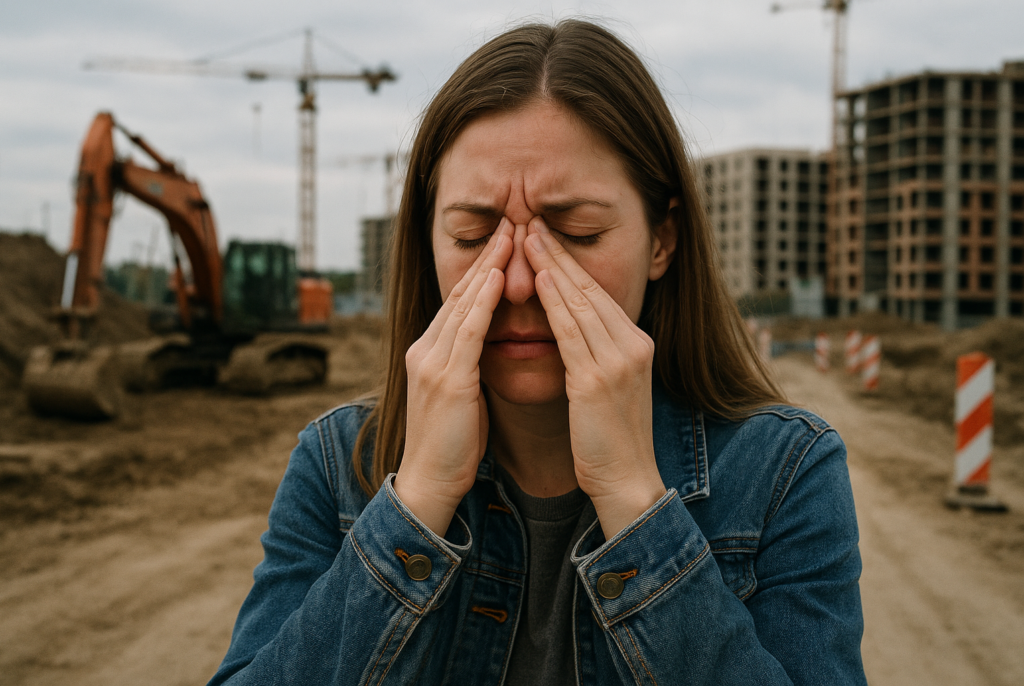
Sinus pressure is becoming an increasingly common problem among Americans who live near construction areas, road-work sites, urban redevelopment zones, or heavy building activity. While seasonal allergies and sinus infections are familiar causes of sinus discomfort, many people overlook construction-related irritants such as dust, particulate matter, diesel exhaust, and airborne debris. These airborne particles can irritate nasal passages, trigger inflammation, and cause persistent sinus pressure that feels like congestion, heaviness, or tightness around the eyes and forehead. This comprehensive USA-focused guide explains why Americans living near construction areas experience sinus pressure, how construction dust gets into the air, what early warning signs to watch for, and what steps people can take to reduce sinus irritation while living close to building zones. This article throws light on why construction dust causes sinus irritation, and early sinus symptoms from construction exposure, this article helps readers to understand how building activity affects sinus health. Includes evidence-based explanations, U.S. examples, practical symptom management strategies, and prevention tips.
Construction activity has expanded across many U.S. cities, suburbs, and growing communities. As urban development increases, many Americans now live near construction zones for months—or sometimes years—while buildings, roadways, schools, apartments, or commercial structures are being built. Continuous construction generates large amounts of airborne dust, debris, and particles that may irritate nasal passages and cause sinus pressure, headaches, congestion, and facial discomfort.
Americans often assume sinus pressure only results from allergies, infections, or weather changes, but environmental contributors—especially construction—play a larger role than most people realize (1).
What Is Sinus Pressure And Why Does It Happen?
Sinus pressure develops when inflammation or irritation blocks airflow in the nasal passages. The sinuses are hollow spaces inside the skull that require proper drainage and ventilation. When they become irritated, they swell, trap mucus, and produce pressure sensations behind the eyes, forehead, or cheeks (2).
Construction-related irritants enter the nose and trigger inflammatory reactions similar to allergies, even in people without allergy history.
This is what causes sinus pressure in Americans exposed to construction dust.
Why Construction Areas Affect Sinus Health
Construction exposes nearby residents to:
- Drywall dust
- Cement particles
- Wood fibers
- Building debris
- Insulation particles
- Soil and dirt
- Concrete dust
- Airborne pollutants
These particles become airborne during drilling, cutting, demolition, and heavy machinery use. Americans living near high-traffic construction zones breathe this air daily, sometimes unintentionally for long periods (3).
What Airborne Particles From Construction Trigger Sinus Pressure?
Fine particulate matter (PM)
These microscopic particles easily enter nasal passages.
Dust and dirt
Dust becomes airborne through wind, vehicles, and equipment.
Diesel exhaust
Construction vehicles emit exhaust known to irritate the respiratory system (4).
Cement and concrete particles
Concrete dust can cause nose, throat, and sinus irritation.
These constituents cause construction dust sinus irritation in American neighborhoods.
Why Are Americans Experiencing More Construction-Related Sinus Symptoms Now?
Rapid urban expansion
Many American cities are growing, rebuilding, or renovating.
Road expansion and infrastructure repair
Highway modernization and bridge repairs are increasing nationwide.
Apartment and housing construction
As housing demand grows, construction continues year-round.
This is why Americans develop sinus pressure during neighborhood construction projects.
Early Sinus Symptoms Near Construction Areas
Many Americans notice early warning signs such as:
- Persistent nasal stuffiness
- Sinus heaviness
- Forehead pressure
- Runny nose
- Mild headaches
- Burning sensation inside nose
- Dry nasal passages
These symptoms often appear during long periods of exposure.
What Does Construction-Related Sinus Pressure Feel Like?
Americans commonly describe sensations such as:
- Heaviness behind eyes
- Pressure around forehead
- Tension across cheeks
- Sinus “tightness”
- Dull indoor headaches
- Increased congestion
These are the important symptoms of construction-related sinus pressure in Americans.
How Construction Exposure Affects Sinus Lining
Construction dust irritates mucous membranes, causing:
- Swelling
- Inflammation
- Blocked drainage
- Mucus buildup
This leads to pressure and reduced sinus airflow.
How Does Outdoor Construction Affect Indoor Air Quality?
Americans often assume being indoors protects them, but dust enters homes through:
- Open windows
- HVAC systems
- Poorly sealed doors
- Air leaks
- Garages
- Balconies
Indoor particulate concentration may remain high even when windows are closed (5).
These are causes of indoor air contamination during nearby construction in American homes.
Who Is Most Sensitive To Construction-Related Sinus Pressure In The United States?
Higher-risk groups include:
- Children
- Older adults
- Asthma sufferers
- Americans with chronic sinus issues
- People living near highway construction
- Residents of apartment complexes under renovation
When Does Sinus Pressure Require Medical Attention?
Seek evaluation if:
- Symptoms last longer than 10–14 days
- Fever develops
- Facial pain becomes severe
- Symptoms worsen over time
- Nasal discharge turns yellow or green.
How To Reduce Sinus Pressure While Living Near Construction
Home-based strategies:
- Keep windows closed
- Change HVAC filters
- Use air purifiers
- Clean surfaces frequently
- Prevent dust accumulation
- Avoid outdoor exposure during active construction hours
Why Sinus Pressure Is Worse On Windy Days
Wind spreads construction particles farther. Many Americans notice symptoms worsening when wind blows dust toward residential areas.
What To Do During Days Of Heavy Construction
- Stay indoors
- Limit outdoor time
- Wear a mask outside
- Avoid heavy breathing near construction streets
- Use saline nasal rinses
- Increase hydration
Can Construction Cause Long-Term Sinus Problems?
Chronic irritation may lead to:
- Recurrent sinus inflammation
- Chronic sinus congestion
- Persistent pressure
- Repeated flare-ups
- Worsening allergies
Prolonged exposure increases risk over time (6).
Why Some Americans Develop Sinus Pressure Even Without Allergies
Construction particles cause irritation, not allergies, so symptoms occur even without allergy history.
How To Support Sinus Health Naturally
- Saline rinsing
- Hydration
- Warm compress
- Steam inhalation
- Using humidifiers indoors
FAQ’s:
Q. Why does construction cause sinus pressure?
Airborne dust irritates nasal passages and causes inflammation (4).
Q. Does wearing a mask help?
Yes—N95 and KN95 block particles effectively.
Q. Can sinus pressure become chronic?
Prolonged exposure may lead to chronic sinus irritation (7).
Q. Do air purifiers help?
Yes—HEPA filters reduce particulate levels indoors (8).
Q. Should Americans avoid outdoor exercise near construction?
Yes, especially during active drilling or demolition periods.
This article is for informational purpose only and does not substitute for professional medical advise. For proper diagnosis and treatment seek the help of your healthcare provider.
References:
- EPA. Particulate Matter and Air Quality in the United States.
- American Academy of Otolaryngology. Sinus Anatomy and Irritation.
- U.S. Census Bureau. Construction Growth Statistics.
- Occupational Safety and Health Administration. Construction Dust Hazards.
- Environmental Health Perspectives. Indoor Air Contamination.
- American Lung Association. Respiratory Irritants.
- Journal of Environmental Medicine. Chronic Sinus Irritation and Airborne Particulates.
- U.S. Department of Health. HEPA Filtration Guidance.
- National Institutes of Health. Nasal Irritation and Environmental Exposure.
- Mayo Clinic. Sinus Health and Environmental Factors.