
Wrist Pain In Americans Scrolling Social Media At Night
Dr JK Avhad MBBS MD [ Last updated 13.12.2025 ]
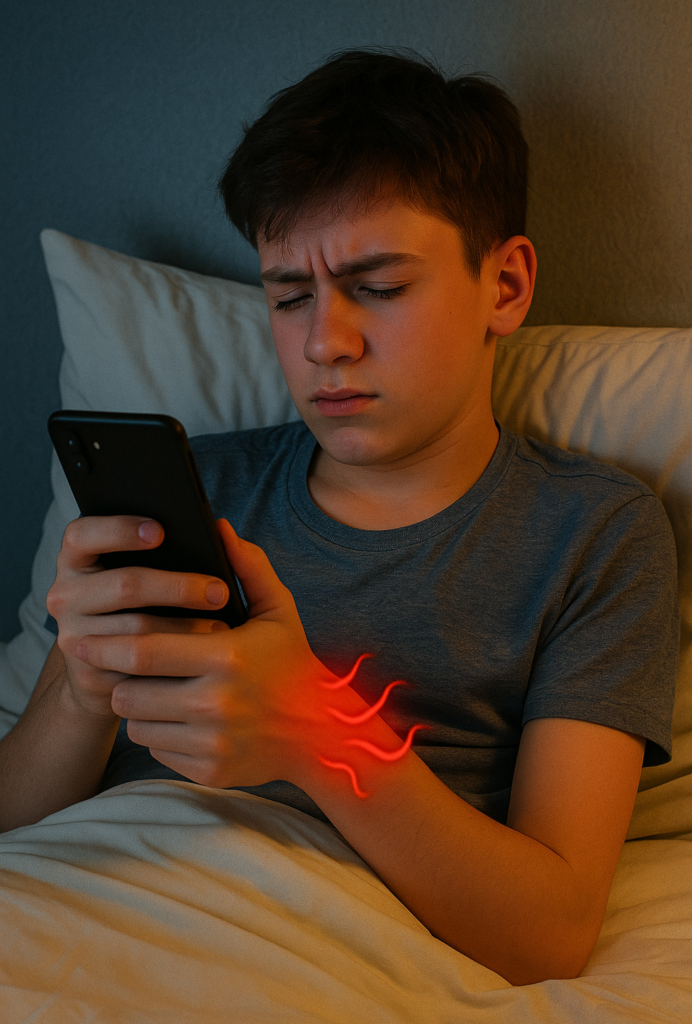
Wrist pain is becoming increasingly common among Americans who spend long hours scrolling social media on smartphones, especially at night. While wrist strain has traditionally been linked to workplace computer use, a growing number of Americans now experience nighttime wrist discomfort, numbness, tingling, and stiffness due to repetitive thumb and wrist movements on mobile devices. This article explains the early signs of wrist pain caused by constant phone scrolling, how nighttime social media use strains hand tendons, why scrolling techniques matter, and what Americans can do to prevent long-term wrist problems. Also focuses on specific topics like wrist pain in Americans scrolling social media at night, nighttime smartphone wrist strain, and why social media use causes wrist discomfort, this US-focused article explores behavioral patterns contributing to wrist pain among adults, teenagers, and young professionals. You will learn about repetitive strain injury (RSI), early tendon irritation, ergonomic mistakes, nighttime scrolling habits, and how poor wrist posture contributes to long-term discomfort. Practical solutions include ergonomic techniques, stretching routines, and phone-holding corrections to relieve nighttime strain. This article includes lifestyle examples, medical explanations, and prevention strategies for Americans who use smartphones heavily each night.
Millions of Americans now use smartphones for extended periods, especially during late-night hours in bed. Constant scrolling engages repetitive wrist and thumb motions that strain tendons, muscles, and ligaments, increasing the risk of pain and inflammation over time (1).
Nighttime social media use has increased dramatically in the United States, particularly among younger Americans who check notifications, scroll TikTok, browse Instagram, and watch short-form content late into the evening. This repetitive, low-effort activity may seem harmless, but frequent nighttime scrolling places the wrist at an unnatural angle and can gradually cause discomfort that progresses into repetitive strain injury.
What Causes Wrist Pain During Nighttime Smartphone Scrolling?
Smartphones require repetitive thumb motions to scroll, tap, swipe, and grip. These movements repeatedly load the tendons that control hand and wrist function. When done for long periods, they cause irritation and mechanical stress (2).
Contributing factors:
- Repetitive thumb scrolling
- Gripping the phone tightly
- Wrist flexion while lying down
- Poor nighttime posture
- Long periods without resting hands
This is what causes wrist strain when scrolling social media at night in Americans.
Late-night scrolling also contributes to physical fatigue, which increases tension in hand and wrist muscles over time.
Why Are Americans Experiencing More Wrist Pain Now?
Increased smartphone dependency in U.S. adults
Smartphone use has grown rapidly as social media, entertainment, and messaging become daily habits.
Nighttime scrolling before sleep
Many Americans scroll while lying down, which forces the wrist into awkward postures.
Longer screen time durations
Average daily screen time in the U.S. has reached more than 7 hours per day, much of it on mobile devices (3).
Younger Americans using social media late at night
Teenagers and young adults commonly scroll right before sleeping, increasing nightly tendon strain.
This is why Americans get wrist pain when scrolling phones at night.
How Does Social Media Scrolling Affect The Wrist?
Repeated thumb and wrist motion places stress on the flexor tendons that move the thumb. Over time, this irritation may lead to inflammation, discomfort, and repetitive strain injury (4).
Mechanical effects:
- Irritated tendons
- Inflamed soft tissue
- Decreased wrist range of motion
- Pressure on nerves
- Tendon overuse
Late-night scrolling often occurs without wrist support, causing hands to bear sustained muscle tension.
Early Signs Of Nighttime Scrolling Wrist Pain
- Stiffness upon waking
- Tingling or numbness
- Discomfort in thumb base
- Mild burning sensation
- Wrist tiredness
- Reduced grip strength
Early signs often appear after long scrolling sessions and may improve after resting the hands, only to return the next night.
These are the early symptoms of wrist pain from scrolling smartphones in Americans.
Why Does Wrist Pain Occur More At Night?
Scrolling at night increases strain because:
- People scroll longer at bedtime
- Posture is worse while lying down
- Muscles are tired at night
- Wrists are unsupported
- Hands are held at elevated angles
Poor nighttime phone posture commonly places the wrist in extreme flexion, which compresses nerves and tendons.
These are the important factors causing nighttime scrolling wrist strain in American smartphone users.
What Are Common Postures That Increase Nighttime Wrist Pain?
- Lying on side with wrist bent
- Holding phone above face in bed
- Gripping phone tightly while scrolling
- Resting phone on pillow at awkward angle
- Shoulders hunched and elbows unsupported
These habits force unnatural positioning that increases strain on thumb and wrist tendons (5).
Why Do Thumbs Get More Strain Than Other Fingers?
Most users rely mainly on the thumb to scroll social media. Continuous thumb movement forces repetitive strain on the thumb tendons responsible for extension and flexion. Over time, this increases inflammation and soreness.
Which Social Media Habits Increase Wrist Pain?
Prone behaviors:
- Endless scrolling
- Repeated swiping
- Long binge sessions
- One-hand phone use
- Watching short videos for hours
- Switching between apps continuously
This is how social media scrolling contributes to wrist pain in Americans.
How To Reduce Wrist Pain From Nighttime Scrolling
Practical solutions:
- Switch hands periodically
- Use larger fonts to reduce scrolling
- Rest wrist on pillow
- Avoid gripping tightly
- Use two hands instead of one
- Take scrolling breaks
- Stretch wrist between apps
Increasing wrist support reduces tendon pressure and improves comfort.
What To Do If Wrist Pain Is Already Present
- Reduce daily phone scrolling
- Avoid nighttime scrolling
- Use ergonomic grips
- Take longer breaks
- Stretch wrist before bed
- Apply heat if stiff
- Consult physical therapy if pain persists
This is how Americans can manage nighttime wrist pain from social media use.
Who Is Most At Risk In The United States?
- Teenagers
- Young adults
- Remote workers
- Smartphone-heavy users
- Americans with repetitive strain history
- People scrolling in bed nightly
These groups experience prolonged smartphone use without ergonomic support.
How To Prevent Nighttime Wrist Pain
- Limit nighttime scrolling
- Rest the wrist every 10–15 minutes
- Use a pop-socket for grip support
- Avoid phone use before bed
- Use two hands instead of one
These are the tactics for prevention of wrist strain from social media scrolling at night in Americans.
FAQ’s:
Q. Why does scrolling at night hurt more?
Because posture is worse and wrists are unsupported.
Q. Does social media cause repetitive strain injury?
Yes—repetitive thumb motion increases tendon irritation (4).
Q. Can teenagers develop chronic wrist pain?
Yes, especially heavy phone users.
Q. Should Americans reduce nighttime screen time?
Yes—both for wrist comfort and sleep quality.
Q. Can wrist pain become permanent?
If untreated, repetitive strain can lead to chronic discomfort (6).
This article is for informational purpose only and does not substitute for professional medical advise. For proper diagnosis and treatment seek the help of your healthcare provider.
References:
- National Institute for Occupational Safety and Health. Repetitive Motion and Musculoskeletal Injury.
- American Orthopaedic Society. Thumb Tendon Overuse.
- Pew Research Center. Smartphone and Social Media Use in the United States.
- American Academy of Orthopaedic Surgeons. Tendonitis and Repetitive Stress.
- Journal of Hand Therapy. Wrist Position and Ergonomic Stress.
- Mayo Clinic. Repetitive Strain Injuries Overview.
- National Institutes of Health (NIH). Musculoskeletal Disorders from Overuse.
- American Physical Therapy Association. Smartphone Overuse and Joint Health.
- Centers for Disease Control and Prevention (CDC). Screen Time and Daily Health.
- U.S. Office of Disease Prevention. Technology Use and Health Behavior.