
Why Americans Struggle to Sleep: 12 Common Sleep Problems and How to Fix Them.
Dr JK Avhad MBBS MD [Last updated 29.12.2025]
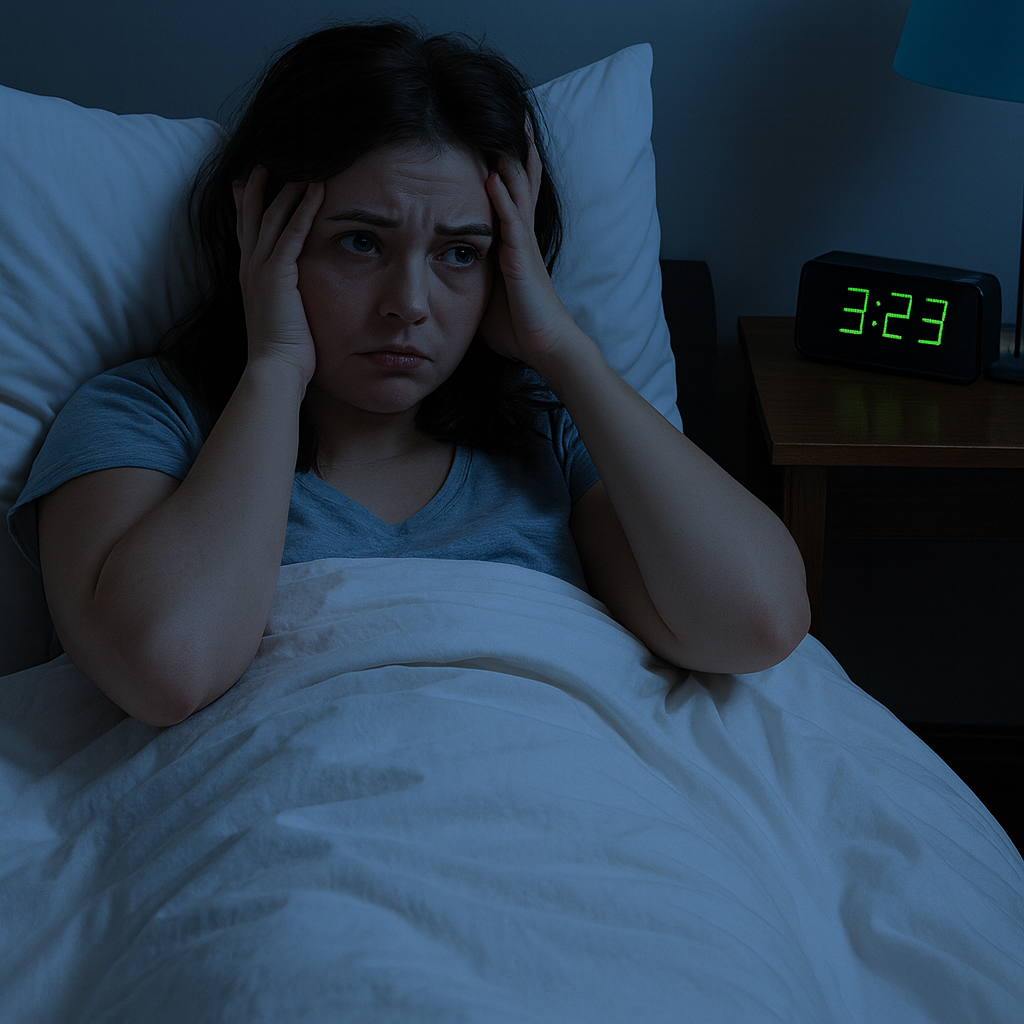
Sleep is one of the most important pillars of health and yet, millions of Americans struggle to get enough of it. According to CDC estimates, 1 in 3 adults in the United States does not get the recommended 7–9 hours of sleep each night. Late night stress, long work hours, screen time, mental health issues, irregular schedules, and poor sleep hygiene all contribute to what experts now call a nationwide sleep crisis.
Sleep is not just about feeling rested in the morning. Poor sleep affects your heart health, metabolism, mental stability, immunity, productivity, and even longevity.
Sleep issues are rising fast across America, and not just among adults. Young people, shift workers, and even teenagers are showing higher levels of insomnia, anxiety, and poor sleep hygiene.
Here are the major reasons Americans are struggling to sleep:
1. Increased Stress and Overthinking
Financial pressure, job insecurity, relationship challenges, and the fast pace of American life make the mind extremely active during night time.
2. Excessive Screen Time
Most Americans use their phone, laptop, or TV right before bed. The blue light emitted suppresses melatonin, the hormone that helps you fall asleep.
3. Long Work Hours and Shift Work
The US has one of the highest rates of rotating shift workers in the world. Irregular schedules disrupt circadian rhythm.
4. High Caffeine Intake
Americans consume coffee throughout the day, often even late afternoon, which delays sleep onset.
5. Mental Health Conditions
Anxiety, depression, and ADHD are rising, all of which heavily impact sleep.
6. Poor Sleep Hygiene
Irregular timings, late night meals, alcohol before bed, and using the bed for scrolling or working all disrupt sleep quality.
7. Increased Use of Melatonin
Melatonin gummies are hugely popular in the United States, but incorrect usage often worsens sleep.
How to Fix Them
Below are the most frequent sleep issues affecting Americans today, along with scientifically supported solutions.
1. Insomnia
Insomnia affects nearly 70 million Americans. It can be short-term (due to stress or travel) or chronic (lasting more than 3 months).
Common Causes
- Anxiety
- Excessive phone use
- Irregular sleep schedule
- Alcohol or caffeine
- Depression
- Overactive mind
Doctor Approved Fixes
- Follow a consistent bedtime schedule
- Avoid screens 60 minutes before bed
- Try CBT-I (Cognitive Behavioral Therapy for Insomnia)
- Reduce caffeine after 2 PM
- Keep your bedroom cool and dark
- If needed, consider short-term melatonin (0.5–1 mg only)
2. Trouble Falling Asleep
Many Americans lie in bed for hours unable to fall asleep.
Common Causes
- Overthinking
- Scrolling on the phone
- No wind down routine
- Late meals
- Stress or poor sleep hygiene
Fix
- Take a warm shower 1 hour before bed
- Write down your worries or next-day tasks
- Use relaxation techniques (4-7-8 breathing)
- Establish a calm pre-sleep routine
3. Waking Up Frequently at Night
Nighttime awakenings disrupt deep sleep and reduce morning energy.
Common Causes
- Stress
- Sleep apnea
- Noisy environment
- Alcohol
- Acid reflux
- Nighttime urination
Fix
- Minimize liquids after 7 PM
- Avoid alcohol before bed
- Use a noise machine or earplugs
- Rule out sleep apnea if snoring
4. Early Morning Awakening
Many people wake up at 4–5 AM and cannot fall back asleep.
Common Causes
- Anxiety
- Depression
- Hormonal changes
- Misaligned circadian rhythm
Fix
- Avoid sleeping too early
- Get morning sunlight
- Reduce late night screen exposure
- Talk to a doctor if due to depression
5. Sleep Apnea
Sleep apnea causes pauses in breathing during sleep. It is more common in men, obese individuals, and people who snore heavily.
Symptoms
- Loud snoring
- Gasping for air
- Morning headaches
- Daytime sleepiness
Fix
- Weight loss
- Sleep on your side
- Avoid alcohol at night
- Get a sleep study
- Use CPAP if recommended
6. Restless Legs Syndrome (RLS)
A crawling, tingling, or uncomfortable sensation in the legs makes it difficult to sleep.
Fix
- Check iron levels
- Magnesium glycinate supplement
- Stretching before bed
- Limit caffeine
7. Snoring
Snoring disturbs both you and your partner and may indicate sleep apnea.
Causes
- Nasal congestion
- Deviated septum
- Alcohol
- Being overweight
- Sleeping on the back
Fix
- Use nasal strips
- Sleep on your side
- Lose weight if overweight
- Avoid alcohol close to bedtime
8. Poor Sleep Hygiene
Sleep hygiene refers to lifestyle habits that influence sleep.
Symptoms
- Irregular timing
- Using phone in bed
- Eating late
- Napping too long
- Watching TV in the bedroom
Fix
- Maintain a strict sleep schedule
- Keep bedroom for sleep only
- Avoid screens before bedtime
- Exercise regularly
9. Stress and Overthinking at Night
This is one of the leading causes of American sleep problems.
Fix
- Guided meditation
- Journaling before sleep
- Slow breathing
- Avoid reading stressful news
- Avoid work emails at night
10. Blue Light Exposure
Blue light from screens suppresses melatonin.
Fix
- Use blue light filters
- Try amber glasses
- Stop screens 1 hour before bed
11. Shift Work Sleep Disorder
Many Americans work rotating shifts, leading to chronic circadian disruption.
Fix
- Sleep in a completely dark room
- Use blackout curtains
- Keep a consistent sleep window
- Avoid caffeine before bedtime
12. Poor Bedroom Environment
Environment influences sleep more than people realize.
Fix
- Keep temperature between 65–67°F
- Use blackout curtains
- Reduce noise
- Use comfortable bedding
- Keep your phone away from bed
Sleep Hygiene
1. Maintain a consistent sleep schedule
- Wake up at the same time every day, even weekends.
2. Reduce caffeine after 2 PM
- Coffee stays in your system for 8–12 hours.
3. Avoid late meals
- Finish dinner 2–3 hours before bed.
4. Exercise regularly
- But avoid heavy workouts late at night.
5. Create a calming pre-sleep routine
Examples:
- Warm bath
- Reading
- Herbal tea
- Meditation
6. Make your bedroom a sleep-only space
- No work, TV, or doom scrolling.
7. Use light wisely
- Bright light in the morning, dim lights at night.
Natural Sleep Remedies
1. Magnesium Glycinate
- Helps relax muscles and ease anxiety.
2. Chamomile Tea
- Mild calming effect.
3. Valerian Root
- Used for relaxation (consult doctor if on medication).
4. Lavender Aromatherapy
- Reduces stress and helps relaxation.
5. Melatonin
Use cautiously:
- Very low dose (0.5–1 mg)
- Short-term only
- Not for long-term dependence
When to Seek Medical Help
Consult a doctor if:
- Snoring is loud or accompanied by gasping
- You feel excessively sleepy during the day
- Insomnia lasts more than 3 months
- You have symptoms of depression or anxiety
- There are pauses in breathing during sleep
- Home remedies do not improve your sleep
FAQs
1. How many hours should Americans sleep?
- Adults should aim for 7–9 hours per night.
2. Is melatonin safe to take every night?
- Short-term use is fine, but long-term use should be supervised by a doctor.
3. What is the best time to sleep?
- Ideally between 10 PM and 11 PM
4. Is it okay to use the phone before bed?
- No. Blue light delays sleep.
5. Why do I wake up at 3 AM?
- Stress, anxiety, alcohol, or hormonal imbalances.
Conclusion
Sleep problems are becoming increasingly common in the United States, but most can be corrected with small, consistent lifestyle changes. Whether your issue is insomnia, stress, snoring, poor sleep hygiene, or shift work, improving sleep quality is absolutely achievable. By creating a healthy sleep routine, managing stress, adjusting lifestyle habits, and seeking medical care when needed, you can restore deep, restorative sleep and improve every aspect of your health.
This article is for informational purpose only and does not substitute for professional medical advise. For proper diagnosis and treatment seek the help of your healthcare provider.