
How Does Exposure to Agricultural Pesticides Affect Hormonal Balance and Metabolism in U.S. Adults?

Dr JK Avhad MBBS MD [Last updated 30.12.2025]
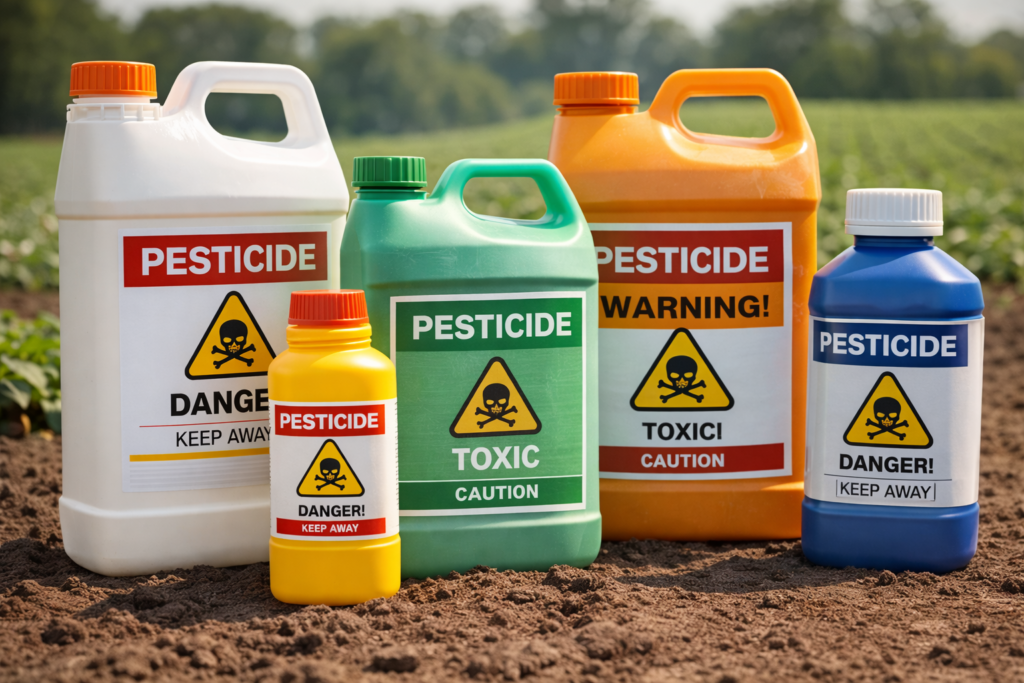
Agricultural pesticide exposure is common in the United States—especially in farming regions—and some pesticides can act as endocrine disruptors, meaning they may interfere with hormones that regulate metabolism, weight, blood sugar, thyroid function, and reproductive health.
People often think of pesticides as something that only affects farmworkers or causes short-term poisoning. But in the U.S., pesticide exposure is broader than most people realize—through diet, household dust, drift from nearby fields, and contaminated water in some locations. And while acute poisoning is a real issue, there’s also a quieter question many Americans ask:
“Can low-level, long-term pesticide exposure affect my hormones and metabolism?”
The honest answer is: for some pesticides, there is credible evidence of endocrine (hormone) activity and biologically plausible links to metabolic disruption, though effects vary by chemical, dose, timing of exposure, and individual susceptibility. Agencies including the U.S. EPA acknowledge that some pesticides may affect the endocrine system, and endocrine disruptors have been a focus of public health and research for years.
America is in the middle of major metabolic health burdens—obesity and diabetes are common—so even small environmental influences can feel important at a population level. CDC reports adult obesity prevalence around 40.3% (Aug 2021–Aug 2023). CDC’s National Diabetes Statistics Report estimates 38.4 million people (11.6% of the U.S. population) have diabetes.
Hormones are chemical messengers that regulate:
- Blood sugar (insulin, glucagon)
- Fat storage and appetite (leptin, ghrelin, cortisol, thyroid hormones)
- Energy expenditure (thyroid axis)
- Sex hormones (estrogen, testosterone) that influence fat distribution and insulin sensitivity
- Stress response (cortisol), which affects cravings, sleep, inflammation, and glucose control
Endocrine disruptors are chemicals that can interfere with these systems. These are found in many products—including pesticides—and research examines how they affect health.
Pathways of exposure
Food residues
Many exposures are dietary—small amounts of residues on fruits, vegetables, grains, and animal products. This doesn’t mean food is “unsafe,” but it does mean exposure can be ongoing.
Living near agricultural land can increase exposure through spray drift and contaminated dust (especially during application seasons). Farmworker households can face higher exposure due to workplace “take-home” pathways.
Drinking water
Certain pesticides and breakdown products can reach groundwater, particularly in agricultural regions. Risk depends heavily on the pesticide used, local geology, and water treatment.
Occupational exposure
Occupational exposure tends to be higher-dose and more frequent. CDC’s Pesticide Illness and Injury Surveillance program focuses on pesticide overexposure in workplaces.
One of the strongest reasons scientists take this seriously is biomonitoring: measuring chemicals or metabolites in human urine/blood.
A 2020 NHANES-based paper reported several pesticide metabolites were frequently detected (often ~95–100%) in the U.S. population sample they analyzed, including markers related to common pesticide classes.
Earlier NHANES work also documented broad detection of pyrethroid metabolites like 3-PBA in the U.S. population. (PMC)
Some pesticides (and pesticide-like chemicals) can:
- Mimic natural hormones,
- Block hormone receptors,
- Alter hormone production or breakdown,
- Interfere with signaling pathways.
WHO’s endocrine disruptor report notes that evidence varies by chemical and that epidemiology can be complex, but endocrine disruption is a real biological phenomenon of public health interest.
EPA also notes that some pesticides may affect the endocrine system and describes how human health risks depend on the pesticide type.
How endocrine disruption can change metabolism
Some endocrine disruptors can impair insulin signaling pathways, increasing risk for insulin resistance—one of the central drivers of metabolic syndrome. A 2023 review discusses endocrine disruptors’ impact on insulin resistance mechanisms. (PMC)
Scientists use the term obesogens for chemicals that can promote fat cell development, fat storage, or appetite dysregulation.
Reviews describe how endocrine-disrupting chemicals (as mixtures) are linked to obesity and diabetes-related metabolic disorders and discuss plausible mechanisms.
The Endocrine Society notes evidence that certain EDCs can interfere with appetite control and energy storage in fat tissue. (Endocrine)
How pesticides may influence thyroid function and metabolic rate
Thyroid hormones regulate basal metabolic rate, cholesterol metabolism, and energy. Some pesticides have been investigated for thyroid effects (varies by compound and exposure).
A 2024 review discussing pesticide endocrine disruption includes thyroid-related pathways among potential effects. (MDPI)
Sex hormones influence:
- Visceral fat distribution,
- Insulin sensitivity,
- Lipid profiles.
[Also read: Early Signs of Vitamin D Deficiency in Americans Who Avoid Sunlight Indoors.]
[Click here: https://healthconcise.com/social-wellness-why-it-matters-how-to-improve-your-social-health/]
What metabolic and hormonal changes have been linked to pesticide exposure?
Because pesticides are a wide category, evidence looks like this:
- Stronger for some chemicals and populations
- Stronger for occupational exposure
- Often observational (associations), not always causal
Still, several research streams align:
A 2024 systematic review reported chronic pesticide exposure has been associated with non-communicable diseases and endocrine disruptions, with higher risks often seen in agricultural workers with prolonged or intense exposure.
A 2022 analysis looked at urinary 2,4-D measurements in NHANES (1999–2014), reporting population geometric mean values near detection limits and exploring sources of exposure.
Early-life exposures can have strong lifelong effects, but adults can also experience changes—especially with chronic exposure and existing metabolic risk.
People are rarely exposed to one chemical at a time. Reviews highlight that mixtures of endocrine disruptors can contribute to obesity/diabetes-related metabolic disruption.
People with:
- Prediabetes,
- Obesity,
- Sleep disorders,
- Chronic stress,
- Thyroid vulnerability
may experience more noticeable effects from additional endocrine stressors.
What symptoms can suggest hormone or metabolism disruption?
These symptoms are non-specific, meaning they have many causes. But they can be clues when they cluster and correlate with exposure seasons:
- Unexplained weight gain or difficulty losing weight
- New fatigue, cold intolerance (thyroid-like pattern)
- Menstrual irregularity, fertility changes
- Lower libido
- New central belly fat gain
- Worsening cholesterol numbers
- Rising fasting glucose / A1c
How to reduce dietary pesticide residues
- Wash produce under running water; scrub firm produce
- Peel when appropriate
- Vary your fruits/vegetables (reduces repeated exposure to one residue pattern)
- Consider organic selectively for foods you eat frequently (if budget allows)
How to reduce household dust exposure in agricultural areas
- Shoes-off policy indoors
- Damp dusting / wet mopping (reduces re-aerosolizing dust)
- HEPA vacuum if feasible
- Wash work clothes separately if someone works in fields
How to reduce occupational exposure
- Follow label directions and PPE requirements
- Improve ventilation during mixing/spraying
- Avoid bringing contaminated clothing/shoes into living spaces
- Use employer-provided safety training
CDC surveillance emphasizes preventing workplace overexposures and monitoring health impacts.
If you’re on a private well in an agricultural region:
- Check local testing recommendations
- Test periodically for region-relevant contaminants
- Use filtration matched to the contaminant
Metabolic disease is widespread:
- Adult obesity prevalence ~40.3% (Aug 2021–Aug 2023).
- Diabetes affects 38.4 million people (11.6% of U.S. population), with 38.1 million adults (14.7% of adults).
- NIDDK provides obesity and diabetes statistics with breakdowns by demographic groups.
[Also read: Social Wellness —Why It Matters & How to Improve Your Social Health.]
[Click here: https://healthconcise.com/social-wellness-why-it-matters-how-to-improve-your-social-health/]
FAQs
1) Do pesticides directly cause obesity or diabetes?
Not in a simple one-to-one way. Some pesticides and EDCs are linked to metabolic disruption mechanisms and obesity/diabetes associations in studies, but outcomes depend on dose, timing, chemical type, and personal risk factors.
2) What does “endocrine disruptor” mean?
A chemical that can interfere with hormone signaling—by mimicking, blocking, or altering hormone production or metabolism. WHO and NIH (NIEHS) describe endocrine disruption and why it matters for health.
3) How do I know if I’ve been exposed?
Most people can’t “feel” exposure. Biomonitoring studies show pesticide metabolites are commonly detectable in population surveys, suggesting widespread low-level exposure.
4) Who is at highest risk in the U.S.?
Agricultural workers, pesticide applicators, and people living very close to sprayed fields—especially with poor ventilation and “take-home” pathways.
5) Are all pesticides endocrine disruptors?
No. Pesticides vary widely by class and mechanism. EPA notes health effects depend on the pesticide; some may affect the endocrine system, others act through neurologic or irritant pathways.
6) If I’m worried, what medical tests should I ask for?
Start with standard metabolic and endocrine checks (HbA1c, fasting glucose, lipids, TSH) and discuss symptoms/exposure history with a clinician. Targeted biomonitoring is usually research-based or occupational-health driven, not routine.
7) Is “chemical detox” necessary?
Be cautious with detox products. The most reliable approach is reduce exposure sources, improve sleep, nutrition, and physical activity, and treat any diagnosed metabolic conditions.
[Also read: Why Americans Struggle to Sleep: 12 Common Sleep Problems and How to Fix Them.]
[Click here: https://healthconcise.com/why-americans-struggle-to-sleep-12-common-sleep-problems-and-how-to-fix-them/]
This article is for informational purpose only and does not substitute for professional medical advise. For proper diagnosis and treatment seek the help of your healthcare provider.
References:
- Centers for Disease Control and Prevention. (2024). Pesticide
Illness and Injury Surveillance. CDC
- Calvert, G. M., et al. (2016). Acute occupational
pesticide-related illness and injury — 12 states, 2007–2011. MMWR. CDC
- U.S. Environmental Protection Agency. (2025). Human
health issues related to pesticides. Environmental
Protection Agency
- National Institute of Environmental Health Sciences.
(NIH). (n.d.). Endocrine disruptors. NIEHS
- National Institute of Environmental Health Sciences.
(2024). Endocrine disruptors and your health (Fact sheet). NIEHS
- World Health Organization. (2013). State of the
science of endocrine disrupting chemicals (WHO/UN report). Iris
- World Health Organization. (2013). Effects of human
exposure to hormone-disrupting chemicals examined in landmark UN report
(News release). World Health
Organization
- World Health Organization (Europe). (n.d.). Reducing
health risks from endocrine-disrupting chemicals. World Health
Organization
- Li, A. J., et al. (2020). Association of urinary
metabolites of organophosphate and other pesticides in NHANES
(biomonitoring findings). PubMed Central. PMC
- Riederer, A. M., et al. (2008). Diet and nondiet
predictors of urinary 3-PBA (pyrethroid metabolite) in NHANES. Environmental
Health Perspectives. PMC
- LaKind, J. S., et al. (2022). 2,4-D and NHANES: sources
of exposure and urinary biomonitoring patterns. ScienceDirect. ScienceDirect
- Le Magueresse-Battistoni, B. (2017). Endocrine
disrupting chemicals in mixtures and obesity/diabetes-related metabolic
disorders. PubMed Central. PMC
- Amato, A. A., et al. (2021). Obesity and
endocrine-disrupting chemicals (obesogens review). PubMed Central. PMC
- Ribeiro, C. M., et al. (2020). Endocrine-disrupting
chemicals and obesity development: systematic review. BMJ Open. bmjopen.bmj.com
- Dagar, M., et al. (2023). Endocrine disruptors and
their impact on insulin resistance (mechanisms review). PubMed Central.
PMC
- Schug, T. T., et al. (2011). Endocrine disrupting
chemicals and disease susceptibility. PubMed Central. Europe PMC
- Shekhar, C., et al. (2024). Systematic review of
chronic pesticide exposure and associated risks including endocrine
disruption. PubMed Central. PMC
- Pérez-Bermejo, M., et al. (2024). Endocrine-disrupting
pesticide use and obesity (review). MDPI Biomedicines. MDPI
- Centers for Disease Control and Prevention. (2024). National
Diabetes Statistics Report (Diabetes data & research). CDC
- Centers for Disease Control and Prevention. (2024).
Obesity and severe obesity prevalence in adults (Aug 2021–Aug 2023). NCHS
Data Brief 508. CDC
- National Institute of Diabetes and Digestive and Kidney
Diseases. (2025). Overweight & obesity statistics. NIDDK
- National Institute of Diabetes and Digestive and Kidney
Diseases. (2025). Diabetes statistics. NIDDK
- National Pesticide Information Center. (2025). Endocrine disruption and pesticides (EDSP overview). National Pesticide Information Center