
How Does Indoor Pollen Accumulation Worsen Allergy Symptoms in American Homes During Peak Seasons?
Dr JK Avhad MBBS MD [Last updated 01.01.2026]
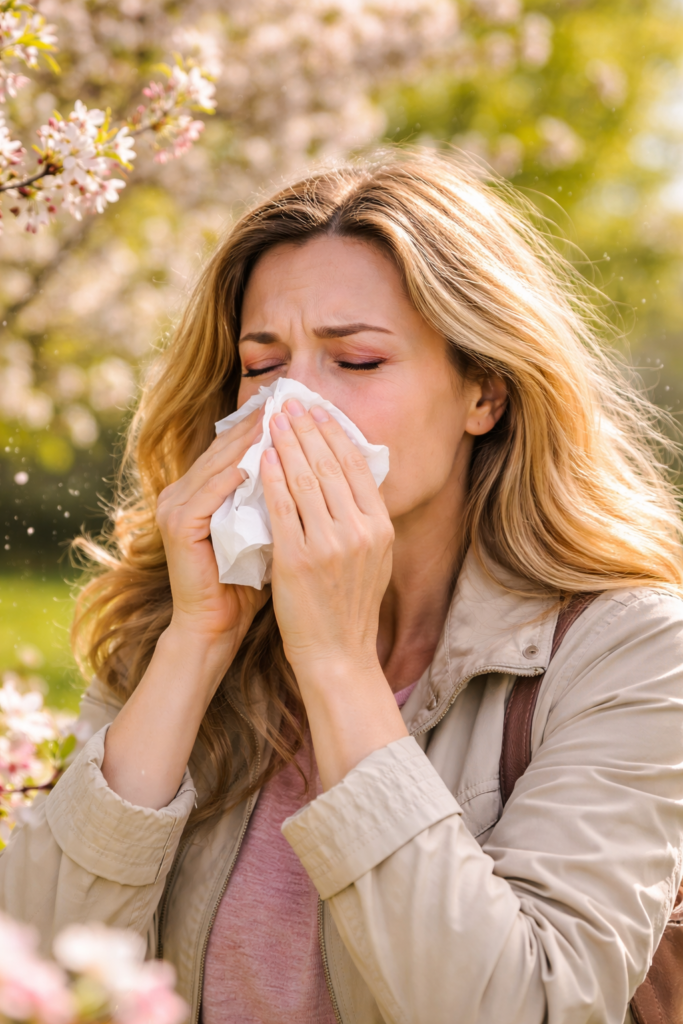
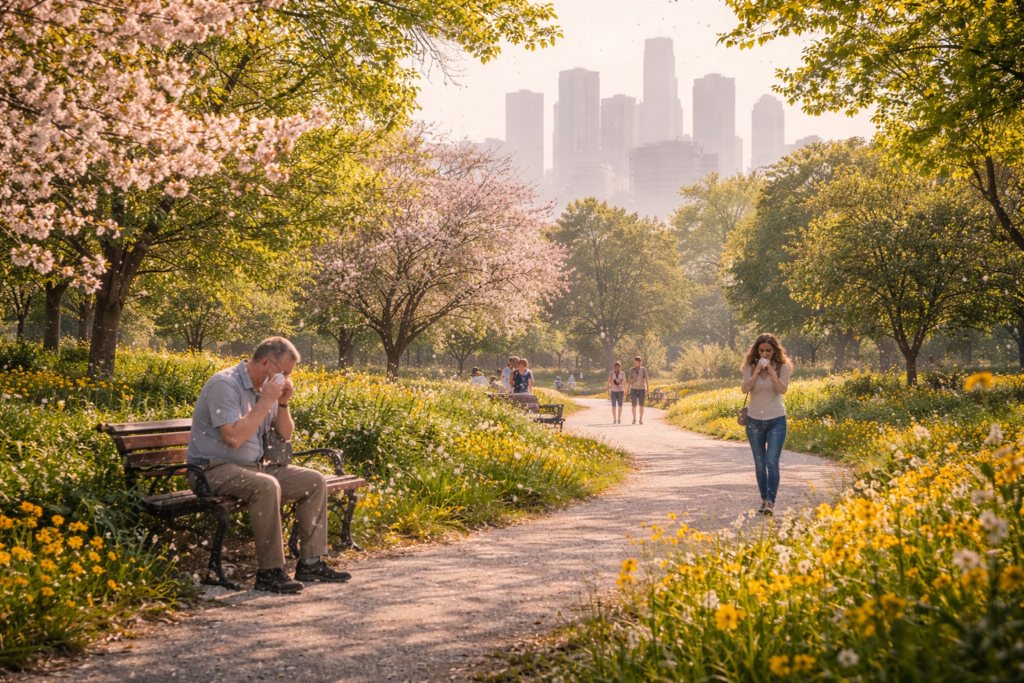
Most Americans think of pollen as an outdoor problem—something you deal with on a walk, at the park, or during the morning commute. But in peak seasons, pollen doesn’t stay outside.
It rides in on clothing, hair, pets, shoes, grocery bags, and airflow through doors, windows, and HVAC systems. Once indoors, it can settle into carpets, bedding, upholstery, curtains, and even the “quiet air” in bedrooms—then get kicked back up when people move around.
For millions of U.S. families dealing with seasonal allergies, this indoor buildup matters because symptoms don’t end when you close the front door. In 2021, about 25.7% of U.S. adults had a diagnosed seasonal allergy, and 18.9% of U.S. children had a seasonal allergy—so the “indoor pollen problem” affects a huge share of American households.
Indoor pollen accumulation means pollen grains (and pollen fragments) enter your home and remain there long enough to keep triggering symptoms—often for hours to days—especially during spring tree pollen, summer grass pollen, and fall weed/ragweed seasons.
It matters because many people do their “exposure math” wrong. They reduce outdoor time but keep:
- Windows open at the wrong hours,
- Shoes worn indoors,
- Bedding and clothing carrying pollen into bedrooms,
- Pets jumping onto couches after outdoor time.
Research reviewing pollen indoors notes that indoor pollen presence is real, variable by building and behavior, and still an underappreciated driver of exposure. PMC
Seasonal allergies are not niche. CDC’s National Center for Health Statistics reported:
- In 2021, 25.7% of U.S. adults had a seasonal allergy (diagnosed).
- In 2021, 18.9% of U.S. children (0–17) had a seasonal allergy.
Allergic rhinitis drives substantial healthcare use (e.g., physician office visits with allergic rhinitis as primary diagnosis). (CDC)
Also read: How Does Climate Change–Related Increase in Pollen Seasons Worsen Asthma Control in Urban American Children?
Why pollen seasons feel worse
If pollen seasons are longer and/or more intense, indoor accumulation gets worse because homes face more days of incoming pollen.
A major North America analysis found pollen seasons have lengthened and pollen concentrations increased across 1990–2018, with strong links to warming and attribution to human-caused climate change.
Climate change may increase pollen concentrations and extend pollen seasons, increasing health impacts. (CDC)
When pollen contacts the nose/eyes/airways in sensitized people, the immune system can release histamine and other mediators, causing:
- Sneezing
- Runny or blocked nose
- Itchy, watery eyes
- Throat irritation, cough
- Fatigue and poor sleep
Allergic rhinitis (“hay fever”) as symptoms caused when you breathe in allergens such as pollen.
Indoor pollen worsens symptoms in three big ways:
1) Indoor exposure becomes “long duration”
Outdoors, exposure can be short (a walk, school pickup). Indoors, exposure can be 8–12 hours, especially overnight.
2) Indoor pollen gets re-suspended
Pollen grains and fragments can settle… then re-enter the air when:
- People walk across carpets,
- Kids jump on sofas,
- Fans circulate air,
- Bedding is shaken,
- Pets move through rooms.
3) Indoor pollen concentrates in soft surfaces
Carpets, rugs, curtains, couches, and bedding act like reservoirs.
Pollen enters directly when doors and windows are open—especially on warm, breezy mornings and afternoons.
While opening windows can help with fresh air, it may not be a good idea for people whose asthma is triggered by outdoor pollution or pollen.
The most underestimated source is “carry-in”:
- Jackets and sweaters
- Hair and eyebrows
- Scarves and hats
- Kids’ backpacks
- Groceries and reusable bags
NIH’s Environmental Wellness Toolkit explicitly recommends avoiding bringing pollen indoors by washing hair and clothing after being outside and keeping windows closed when pollen counts are high. (National Institutes of Health (NIH)
Pets
Pets act like walking pollen brushes. Fur holds pollen and deposits it on:
- Couches
- Beds
- Rugs
- Car seats
Many allergy organizations emphasize pet wipe-downs during high pollen periods (even when the allergy is to pollen, not dander).
HVAC and ventilation
HVAC can help or hurt depending on filtration and maintenance.
HVAC systems can allow windows to remain closed and can filter outdoor particulate material—reducing certain exposures—when properly designed and maintained. (NCBI)
Common symptoms
- Waking up congested or sneezing fits in the morning
- Itchy eyes that worsen at home
- Symptoms worse in carpeted rooms
- Cough/postnasal drip that lingers indoors
- Symptoms improving after changing clothes/showering
How to reduce indoor pollen accumulation
Keep windows/doors closed at key times
During peak pollen days, especially mornings, keep windows closed and use AC if available.
This is consistent with NIH guidance (stay inside with windows closed and use air conditioning when pollen counts are high). (National Institutes of Health (NIH)
Mayo Clinic also advises closing windows and relying on air conditioning during pollen season. (Mayo Clinic)
Create a “drop zone” at the entry
- Shoes off at the door
- Jackets hung near entrance
- Bag placed in one spot (not on the bed)
Remove pollen from your body
Shower strategy
- Rinse face and hands after coming home
- During high pollen weeks, shower before bed (hair holds pollen)
Washing hair and clothing after being outside to avoid bringing pollen indoors. (National Institutes of Health (NIH)
Clothing strategy
- Change into “indoor clothes”
- Keep outdoor clothes out of bedrooms
- Avoid tossing pollen-laden clothes on couches
Keep pollen out of the bedroom
If you can do only one thing, protect sleep.
- Keep bedroom windows closed during peak pollen times
- Don’t allow “outdoor clothes” on the bed
- Wash bedding weekly
- Consider HEPA filtration in the bedroom
Scientific reviews discuss that air cleaners/filters can reduce airborne particles/allergens in certain contexts, though results vary by allergen and setup.

[Also read: Why Are Anxiety and Stress Symptoms Higher in Americans Living in Environmentally Degraded Urban Areas?]
Cleaning
Damp dusting beats dry dusting
Dry dusting can re-launch particles. Damp wiping traps them.
Vacuuming: use the right equipment
Poor vacuums can blow allergens back out. HEPA vacuums reduce that risk (practical guidance echoed by major allergy organizations).
Mopping strategy
Wet-mop hard floors 1–2 times/week during peak season if symptoms are significant.
Filtration, HVAC, and ventilation
HVAC filters
Use a higher-efficiency filter your system can handle (follow HVAC recommendations) and replace it regularly during pollen season.
Portable air purifiers
Evidence supports that HEPA filtration can reduce indoor particulate/allergen burden in many homes, though symptom effects vary by individual allergen and design.
Ventilation timing
If you like fresh air, ventilate when pollen is lower (often later afternoon/evening depending on local conditions) and close windows during peaks.
Opening windows may not be ideal for pollen-triggered asthma/allergy situations. (CDC Stacks)
How to handle pets during pollen season
- Wipe down fur/paws after outdoor time
- Keep pets off beds during peak season
- Wash pet bedding more often
Allergy organizations note pets can bring in pollen and recommend steps to reduce indoor pollen entry. (Asthma & Allergy Foundation of America)
Indoor humidity and mold
During spring/fall, people sometimes close windows, which can increase indoor humidity in some homes. High humidity can worsen dust mites and mold—creating overlapping symptoms that feel like “pollen that never ends.”
Keeping humidity low to reduce dust mites and mold. (National Institutes of Health)
Pollen already entered and settled. It takes:
- Time
- Cleaning
- Reservoir removal
- Consistent entry routines
Car seats hold pollen. If symptoms spike after driving, vacuum seats and consider cabin air filter replacement.
For many people, starting antihistamines/nasal sprays before peak days improves control (discuss with clinician).
[Also read: How Does Climate Change–Related Heat Stress Affect Blood Pressure and Circulation in Older Americans?]
FAQ
1) Can pollen really stay inside my house for days?
Yes. Pollen enters and settles into fabrics and dust, then can be re-suspended by movement. Reviews confirm indoor pollen presence and emphasize variability and persistence indoors. (PMC)
2) Why are my allergies worse at night or in the morning?
Bedrooms concentrate exposure because of bedding and long time spent indoors. If pollen is on hair/clothes or in the room, symptoms can persist through the night.
3) Should I open windows to “air out” the house?
Sometimes, but during high pollen periods it can worsen indoor exposure. CDC’s indoor air quality guidance cautions that opening windows may not be a good idea for people triggered by pollen.
4) Does showering after being outside actually help?
Yes. NIH recommends washing hair and clothing after outdoor exposure to avoid bringing pollen indoors.
5) Are air purifiers worth it for pollen allergies?
They can help reduce airborne particles in a room, especially bedrooms, though results vary. Reviews and studies show filtration can reduce indoor particulate/allergen load, with symptom benefits depending on the allergen and setup.
6) Is vacuuming helpful or harmful during pollen season?
Helpful if done with a good vacuum and technique; harmful if the vacuum re-aerosolizes allergens. Allergy organizations recommend quality vacuums and frequent cleaning for allergen control.
7) What’s the single best step for most households?
A “clean-air bedroom” routine: keep pollen out of the bedroom, shower before bed during peak weeks, wash bedding weekly, and consider HEPA filtration.
8) Why do pollen seasons seem longer now?
Climate change is linked with longer pollen seasons and higher concentrations across North America, and CDC notes climate change may extend pollen seasons and increase concentrations.
Conclusion
Indoor pollen accumulation is one of the biggest reasons seasonal allergies continue in American homes even when people “stay inside.” Pollen enters through open doors and windows, but also through clothing, hair, pets, and everyday routines—then settles into carpets, bedding, and upholstery, where it can be re-launched into the air again and again. For a country where seasonal allergies are common—about 25.7% of adults and 18.9% of children reported diagnosed seasonal allergy in 2021—controlling indoor exposure can meaningfully improve comfort, sleep, and productivity. The most effective approach is not perfection; it’s consistency: block entry on peak days, stop pollen at the doorway, protect the bedroom, and clean in ways that remove allergens instead of stirring them up. As pollen seasons lengthen with climate shifts, these home strategies become less of a “nice-to-have” and more like basic seasonal health maintenance.
This article is for informational purpose only and does not substitute for professional medical advise. For proper diagnosis and treatment seek the help of your healthcare provider.
References:
- Centers for Disease Control and Prevention. (2024). Allergens and pollen | Climate and health. CDC
- Ng, A. E., & Boersma, P. (2023). Diagnosed allergic conditions in adults: United States, 2021 (NCHS Data Brief No. 460). Centers for Disease Control and Prevention. CDC+1
- Zablotsky, B., & Black, L. I. (2023). Diagnosed allergic conditions in children aged 0–17 years: United States, 2021 (NCHS Data Brief No. 459). Centers for Disease Control and Prevention. CDC
- Centers for Disease Control and Prevention. (n.d.). FastStats—Allergies and hay fever. CDC
- Centers for Disease Control and Prevention. (2015). Indoor air quality (Fact sheet). CDC Stacks
- National Library of Medicine. (2024). Allergic rhinitis (MedlinePlus Medical Encyclopedia). MedlinePlus
- National Library of Medicine. (2018). Hay fever (pollen allergy) (MedlinePlus). MedlinePlus
- National Institutes of Health. (2025). Environmental Wellness Toolkit. National Institutes of Health (NIH)
- Anderegg, W. R. L., Abatzoglou, J. T., Anderegg, L. D. L., Bielory, L., Kinney, P. L., & Ziska, L. (2021). Anthropogenic climate change is worsening North American pollen seasons. Proceedings of the National Academy of Sciences, 118(7), e2013284118. PNAS+1
- Nehr, S., et al. (2023). Assessing the relevance of allergenic pollen in indoor environments. International Journal of Environmental Research and Public Health. PMC
- Le Pham, D., et al. (2023). Environmental allergen reduction in asthma management. Journal/Review (PMC). PMC
- Sublett, J. L. (2011). Effectiveness of air filters and air cleaners in allergic respiratory diseases: A review of the recent literature. Current Allergy and Asthma Reports. PMC
- Maya-Manzano, J. M., et al. (2022). Effect of air filtration on house dust mite, cat and dog allergens and particulate matter in homes. Indoor Air. PMC
- World Health Organization. (2025). Climate change, air pollution, pollen and health. PubMed
- U.S. Environmental Protection Agency. (2025). Indoor air quality (Report on the Environment). EPA
- National Academies / NCBI Bookshelf. (n.d.). Indoor Allergens (Intro/overview chapter). NCBI
- Mayo Clinic Staff. (2024). Allergy-proof your home. Mayo Clinic. Mayo Clinic
- American College of Allergy, Asthma & Immunology. (n.d.). Allergies: Facts and stats. ACAAI Patient+1
- American Academy of Allergy, Asthma & Immunology. (n.d.). Indoor allergens. AAAAI
- Allergy & Asthma Foundation of America. (n.d.). Control indoor allergens to improve indoor air quality. Asthma & Allergy Foundation of America+1
- Meltzer, E. O. (2016). Allergic rhinitis: Burden of illness, quality of life, comorbidities, and control. Allergy and Asthma Proceedings. PubMed
- Akhouri, S., & House, S. A. (2023). Allergic rhinitis. StatPearls (NCBI Bookshelf). NCBI