
How Does Climate Change–Related Increase in Pollen Seasons Worsen Asthma Control in Urban American Children?
Dr JK Avhad MBBS MD [Last updated 31.12.2025]
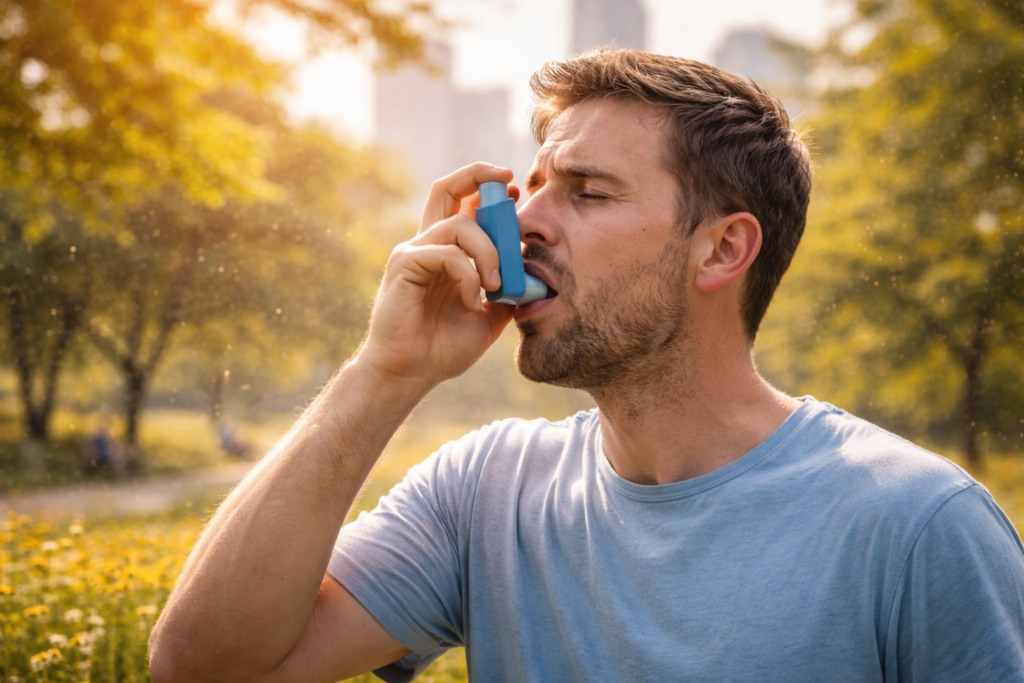
Every spring and fall, many U.S. parents notice the same pattern: their child’s asthma seems “fine” indoors, but the moment pollen counts spike, coughing returns, inhaler use increases, and sleep gets disrupted. What’s changing is not only the child—it’s the season itself.
Climate change is lengthening growing seasons, shifting flowering timelines, and, in many places, increasing total pollen exposure.
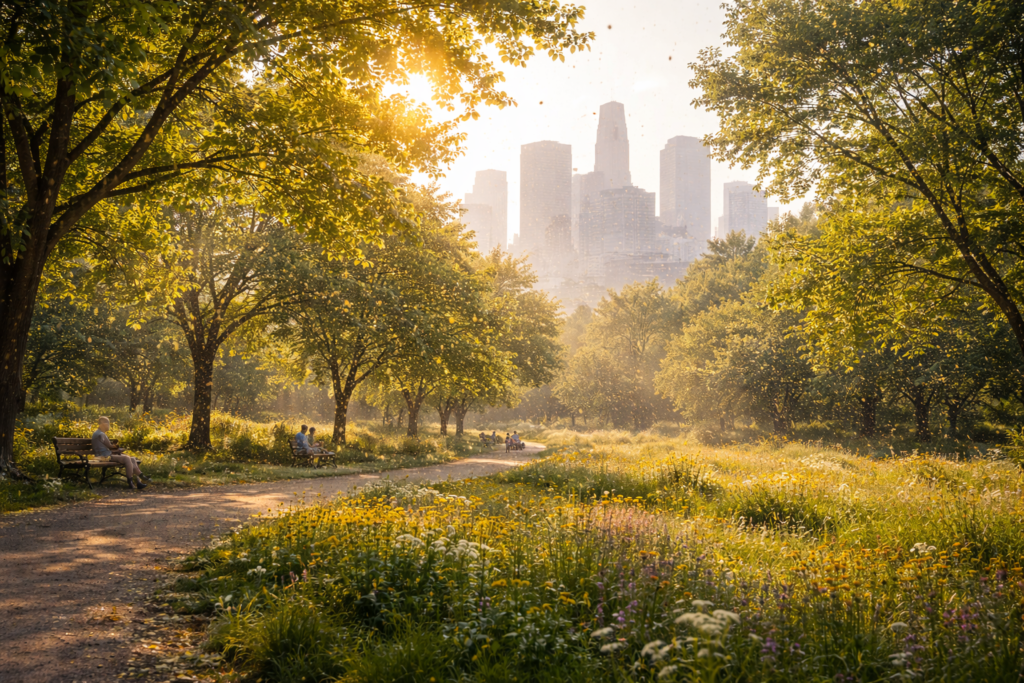
A landmark North America analysis found pollen seasons have lengthened by about 20 days since 1990 and pollen concentrations rose by about 21%. For urban kids, the problem is often worse because pollen doesn’t act alone—traffic pollution, ozone, heat, and indoor allergens stack together and inflame sensitive airways.
Asthma is one of the most common chronic diseases in U.S. children, and it’s still widespread:
- CDC’s “Most Recent Asthma Data” (updated Nov 21, 2024) reports about 4.53 million children under 18 with current asthma, about 6.2% (2022 estimate).
- CDC FastStats reports 6.5% of children under 18 currently have asthma (2024).
- CDC also summarizes asthma status and disparities across groups in its 2024 “Status of Asthma in the United States” publication. (CDC)
When millions of children already have asthma, even a modest rise in trigger intensity can translate into more symptoms, more missed school days, and more urgent visits across cities. That is why small changes in pollen exposure matter.
Also read: Why Are Anxiety and Stress Symptoms Higher in Americans Living in Environmentally Degraded Urban Areas?
Asthma control
Clinically, asthma control usually means:
- Minimal daytime symptoms
- Little or no night waking from cough/wheeze
- Rare need for rescue inhaler
- Normal activity tolerance (play, sports, PE class)
- No frequent urgent care/ER visits
For parents, “control” is simpler: your child can breathe, sleep, and play without repeated flare-ups.
Pollens can push the airway from “quiet inflammation” to full bronchospasm—especially when pollution and heat amplify the response.
Effects of climate change on pollen season
Climate change increases the number of warm days and reduces frost days in many regions. This allows:
- Earlier spring flowering
- Longer growing seasons
- Later fall pollen activity
- Range shifts (plants like ragweed expanding northward)
A high-impact 2021 study in PNAS found widespread lengthening of pollen seasons (+20 days) and increases in pollen concentrations (+21%) across North America from 1990 to 2018, with human-caused warming identified as a major driver.
Higher atmospheric CO₂ can stimulate plant growth and, for some allergenic plants, can increase pollen production and sometimes allergen content.
A 2022 Nature Communications modeling study projected temperature/precipitation changes could increase annual total pollen emissions by 16–40%, and CO₂-driven effects could further amplify emissions in future scenarios. (Nature)
Many children have “allergic asthma,” meaning airborne allergens trigger airway inflammation. When pollen enters the nose and airways, it can:
- Activate mast cells and IgE-mediated pathways
- Increase mucus production
- Tighten airway smooth muscle
- Raise airway hyperresponsiveness for days
A 2024 review on climate change and asthma in children notes that longer seasons and increased pollen mass increase allergen exposure and symptomatic allergic disease burden. (PMC)
Urban children often have a double exposure:
- Pollen, and
- Air pollution (traffic PM2.5, diesel exhaust, NO₂, ozone)
Research and reviews describe how pollution can interact with pollen and the airway barrier—making allergic inflammation more intense. A 2023 review in Annals of Allergy, Asthma & Immunology highlights that particulate matter and other pollutants can synergize with pollen to increase allergic disease severity. (Ann Allergy)
Ozone and heat
Hot sunny days can increase ground-level ozone in many regions. Ozone irritates airways and can reduce “breathing reserve” even before pollen enters the story.
Urban heat islands also:
- Extend warm-season conditions
- Increase nighttime discomfort and sleep disruption
- Push kids indoors where dust mites/indoor allergens may add triggers
Longer pollen seasons
A longer season isn’t only more “bad days.” It can mean:
- Less time for airways to return to baseline
- Longer periods of medication need
- More frequent missed doses due to “treatment fatigue”
- More opportunities for viral infections to combine with allergy inflammation
A 2025 review on climate change and the future of allergies and asthma notes that pollen seasons are lengthening and discusses interactions with air pollution and allergic inflammation. (PubMed)
Pollen seasons are lengthening in many regions and that climate variables influence timing and intensity.
A 2023 review on climate change and airborne allergens summarizes multi-location findings showing increases in pollen season duration across many monitoring sites (while noting variability by region and plant species). ( PMC)
A 2024 systematic review and related literature on childhood asthma highlight that environmental factors—including extreme weather and aeroallergens—can increase asthma risks and exacerbations.
A 2024 pediatric respiratory review (ERS) similarly notes climate change is expected to amplify pediatric respiratory diseases exacerbated by aeroallergens and pollutants. (ERS Publications)
Socioeconomic and neighborhood factors
Urban exposure is not equal. Children living closer to highways, freight routes, or industrial activity may face higher baseline airway irritation before pollen is even counted.
- Children with allergic rhinitis (“hay fever”) often have stronger pollen-linked asthma flares.
- Children with eczema or multiple allergies may have a more reactive immune profile.
- Some children have primarily viral-triggered asthma and may notice pollen less—until pollution/heat adds strain.
Also read: How Does Climate Change–Related Heat Stress Affect Blood Pressure and Circulation in Older Americans?
Common symptom patterns
- Cough and wheeze peaking after outdoor play
- Night cough during high pollen weeks
- Itchy eyes/nose plus chest symptoms
- Rescue inhaler used more often in spring/fall
- Symptoms worse on windy, dry days (pollen dispersion)
Tracking
For 2–3 weeks during peak season, note:
- Rescue inhaler frequency
- Nighttime symptoms
- Outdoor play time
- Local pollen forecast (general)
- AQI/ozone alerts (when relevant)
Asthma control
- Shower and change clothes after outdoor play on high pollen days
- Rinse face/hands after school recess
- Keep windows closed during peak pollen hours (often morning)
- Dry laundry indoors during peak pollen weeks (clothes can trap pollen)
Clean-air bedroom
Night symptoms often drive poor control. Focus on sleep space:
- HEPA filter in the child’s bedroom
- Keep pets out if sensitized
- Wash bedding weekly in hot water (dust mite reduction)
- Minimize stuffed animals or wash them regularly
How to adjust asthma action plans
- Controller medication timing before peak season
- Allergy management (intranasal steroids, antihistamines as appropriate)
- Rescue inhaler guidance for exercise and high-trigger days
- School inhaler access and paperwork
The goal is not more medication forever—it’s the right medication at the right season.
For allergic asthma, treating the upper airway (nose/sinuses) can reduce lower-airway symptoms. When a child’s nose is inflamed, mouth breathing increases and more pollen reaches the lower airways.
Schools can:
- Monitor AQI and pollen days
- Adjust outdoor activity timing
- Allow inhaler access
- Improve indoor ventilation and filtration
Cities can:
- Reduce traffic emissions near schools
- Expand tree canopy strategically (and consider allergen-aware planting)
- Improve heat mitigation (cool roofs, shade)
- Enhance public alerts for combined heat/ozone/pollen days
Common myths
Myth 1: “If it’s allergies, it’s not asthma.”
Allergies can be a major asthma trigger, especially with longer seasons.
Myth 2: “We’ll only use the inhaler when it’s really bad.”
Waiting often increases inflammation and prolongs symptoms. Action plans work best early.
Myth 3: “Pollen is natural, so it can’t be that harmful.”
Natural doesn’t mean harmless—especially when climate change increases exposure and cities add pollution synergy.
Also read: Why Are Skin Rashes and Unexplained Itching More Common in Americans Exposed to Environmental Toxins?
FAQs
1) How much longer is pollen season now compared with the 1990s?
A widely cited North America analysis found pollen seasons lengthened by about 20 days from 1990 to 2018, with pollen concentrations up about 21%.
2) Can climate change really make asthma worse?
Yes—climate change can increase aeroallergen exposure (pollen seasons), intensify heat and ozone conditions, and worsen wildfire smoke events, all of which can affect asthma control.
3) Why do urban kids often have worse symptoms than suburban kids?
Urban children may have higher traffic-related pollution exposures that can irritate airways and amplify allergic inflammation from pollen.
4) Should my child stop outdoor play during pollen season?
Usually no. Instead, reduce peak exposure: play later in the day if mornings are worse, do post-play rinse/shower, and follow the action plan.
5) What’s the single best home upgrade for pollen asthma?
A HEPA filter in the bedroom plus keeping windows closed during peak pollen hours is often a high-impact, practical step.
6) Do masks help during high pollen days?
Many families report benefit, and masks can reduce inhaled pollen particles. Comfort and compliance vary by child.
7) How do I know if it’s pollen or a virus?
Pollen flares often come with itchy eyes/nose and repeat seasonally; viral flares often include fever and household spread. A clinician can help clarify.
8) Is pollen the only climate-related asthma trigger?
No. Heat, ozone, wildfire smoke, and indoor dampness/mold (from floods or humidity) can also worsen asthma control.
Conclusion
Climate change is reshaping childhood asthma triggers in the United States by making pollen seasons longer, shifting plant timing, and—in many places—raising overall pollen exposure. The evidence is strong enough that families are not “imagining it”: one major North America analysis found pollen seasons have lengthened about 20 days since 1990 and concentrations increased about 21%. For urban children, the risk often multiplies because pollen interacts with traffic pollution, ozone, and heat—leading to more inflammation, more night cough, and more rescue inhaler use. The most practical response is not to eliminate outdoor life, but to manage exposure peaks and protect recovery: a clean-air bedroom, smart timing for outdoor play, consistent allergy control, and a clear asthma action plan shared with schools. As climate trends continue, improving air quality and heat resilience in cities will become part of protecting children’s lungs, not just “environment policy.”
This article is for informational purpose only and does not substitute for professional medical advise. For proper diagnosis and treatment seek the help of your healthcare provider.
References:
- Anderegg, W. R. L., Abatzoglou, J. T., Anderegg, L. D. L., Bielory, L., Kinney, P. L., & Ziska, L. (2021). Anthropogenic climate change is worsening North American pollen seasons. Proceedings of the National Academy of Sciences, 118(7), e2013284118. PNAS
- Zhang, Y., et al. (2022). Projected climate-driven changes in pollen emission and human exposure. Nature Communications. Nature
- Le Souëf, P. N. (2024). Global change, climate change, and asthma in children. Frontiers in Pediatrics (PMC). PMC
- Beggs, P. J., et al. (2023). Climate change, airborne allergens, and translational implications. Frontiers in Allergy (PMC). PMC
- Burbank, A. J., et al. (2025). Climate change and the future of allergies and asthma. Current Opinion in Pediatrics (PubMed). PubMed
- Seastedt, H., et al. (2023). Factors by which global warming worsens allergic disease. Annals of Allergy, Asthma & Immunology. Ann Allergy
- Wang, J., et al. (2024). Climate and environmental factors on childhood asthma: Systematic review. Science of the Total Environment. ScienceDirect
- Domingo, K. N., et al. (2024). Impact of climate change on paediatric respiratory health. European Respiratory Review. ERS Publications
- D’Amato, G., Cecchi, L., D’Amato, M., & Annesi-Maesano, I. (2014). Climate change, air pollution and pollen allergy. Allergy, Asthma & Immunology Research (PMC). PMC
- D’Amato, G., et al. (2020). The effects of climate change on respiratory allergy and asthma. Allergy. Wiley Online Library
- Centers for Disease Control and Prevention. (2024). Most Recent Asthma Data: Current asthma prevalence (2022). CDC. CDC+1
- Centers for Disease Control and Prevention. (2024). FastStats—Asthma (children <18 years, 2024 estimate). CDC/NCHS. CDC
- Pate, C. A., et al. (2024). The status of asthma in the United States. Preventing Chronic Disease. CDC
- U.S. Environmental Protection Agency. (2024). Asthma Fact Sheet (child prevalence 6.2% in 2022). EPA (PDF). EPA
- Asthma and Allergy Foundation of America. (2024). Climate change makes living with allergies a challenge. AAFA. Asthma & Allergy Foundation of America
- Asthma and Allergy Foundation of America. (n.d.). Climate and environmental factors affecting asthma and allergies. AAFA. Asthma & Allergy Foundation of America+1
- Harvard T.H. Chan School of Public Health. (2024). Asthma and air pollution: Protecting children’s health (pollen season lengthening). Harvard C-CHANGE. Harvard Chan School of Public Health
- Yale Medicine. (2021). Seasonal allergies are back—what you can do about it (PNAS pollen season findings). Yale Medicine. Yale Medicine
- Climate Central. (2024). Warming climate, more pollen, worse allergies. Climate Central. Climate Central
- Climate Central. (2025). Longer growing season, longer allergy season (city trend context). Climate Central. Climate Central