
Indoor Air Pollution From Gas Stoves Affects Children’s Lungs in Apartments During Winter
Dr JK Avhad MBBS MD [Last updated 24.12.2025]
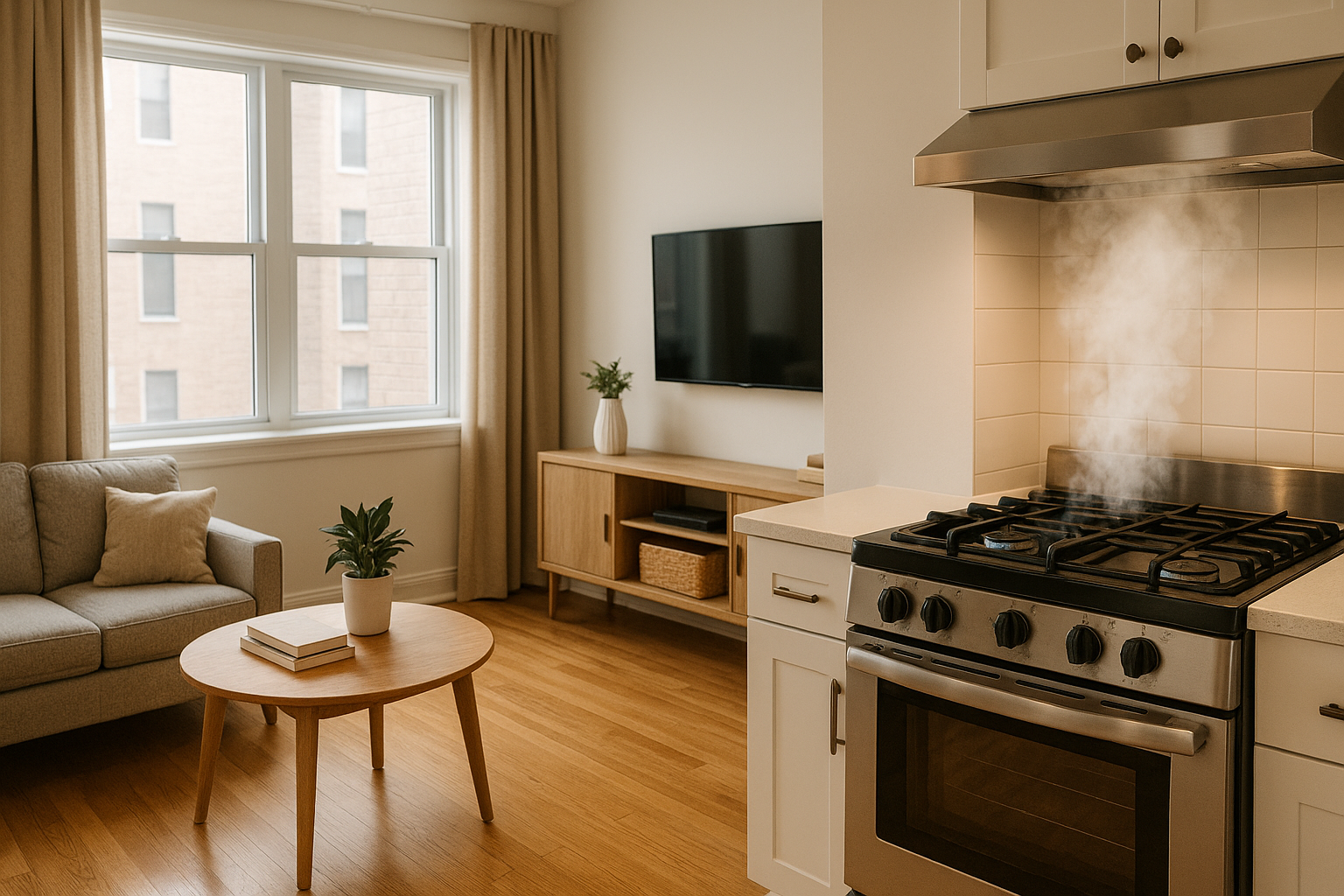
Indoor air pollution from gas stoves is an underrecognized but significant threat to children’s lung health in U.S. apartments—especially during winter, when homes are tightly sealed and ventilation is limited.
Gas stoves release nitrogen dioxide (NO₂), carbon monoxide, ultrafine particles, and formaldehyde, all of which can irritate developing airways and increase the risk of asthma, chronic cough, wheezing, and reduced lung growth in children.
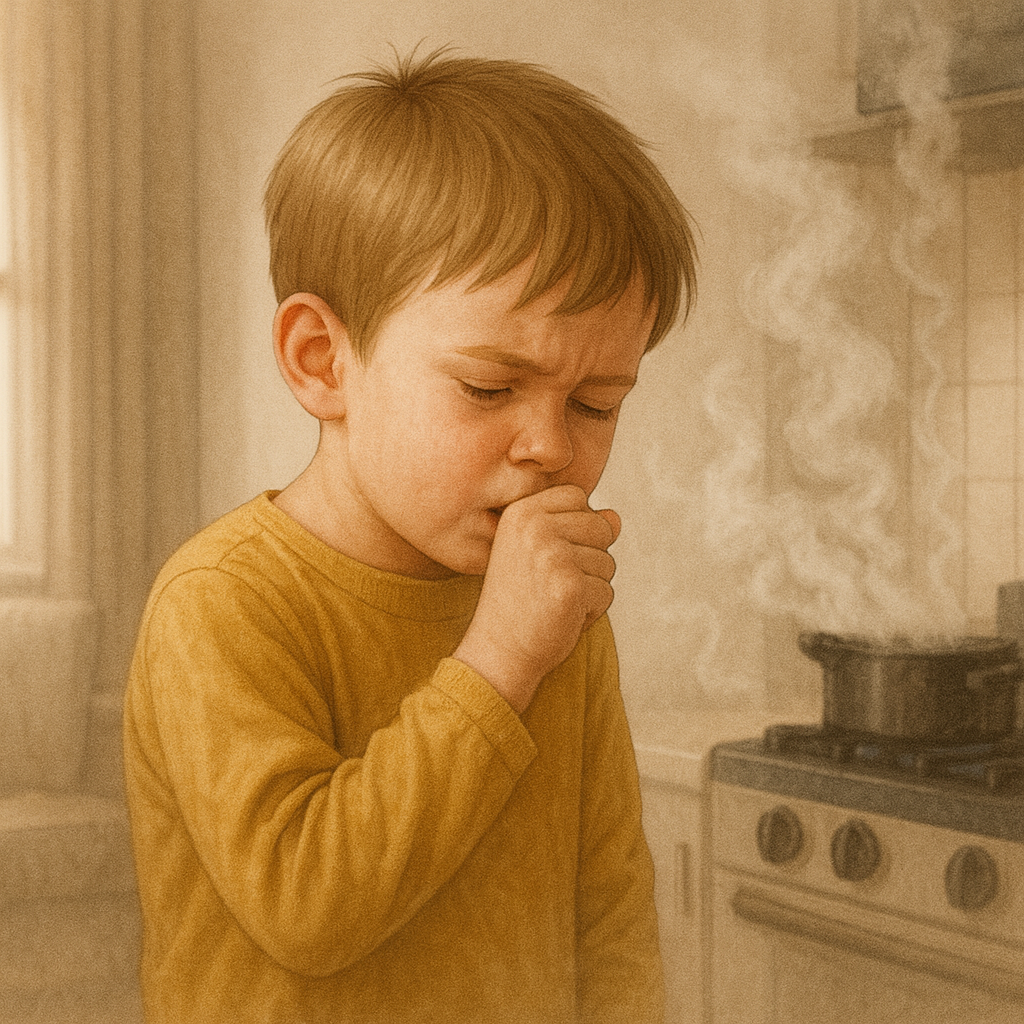
Children living in apartments with gas stoves—particularly in colder U.S. cities—experience higher rates of respiratory symptoms even when families never smoke.
For many American families, winter means closed windows, longer time indoors, and frequent cooking at home. In millions of U.S. apartments, that also means daily exposure to gas stove emissions—often without adequate ventilation. Children’s lungs are uniquely vulnerable, how winter conditions amplify indoor pollution.
While outdoor air pollution gets most of the attention, indoor air pollution can be more concentrated, especially in small apartments.
Children, whose lungs are still developing, are particularly vulnerable. Over the past decade, evidence has grown that gas stoves are not just a climate issue—they are a child respiratory health issue, especially in winter.
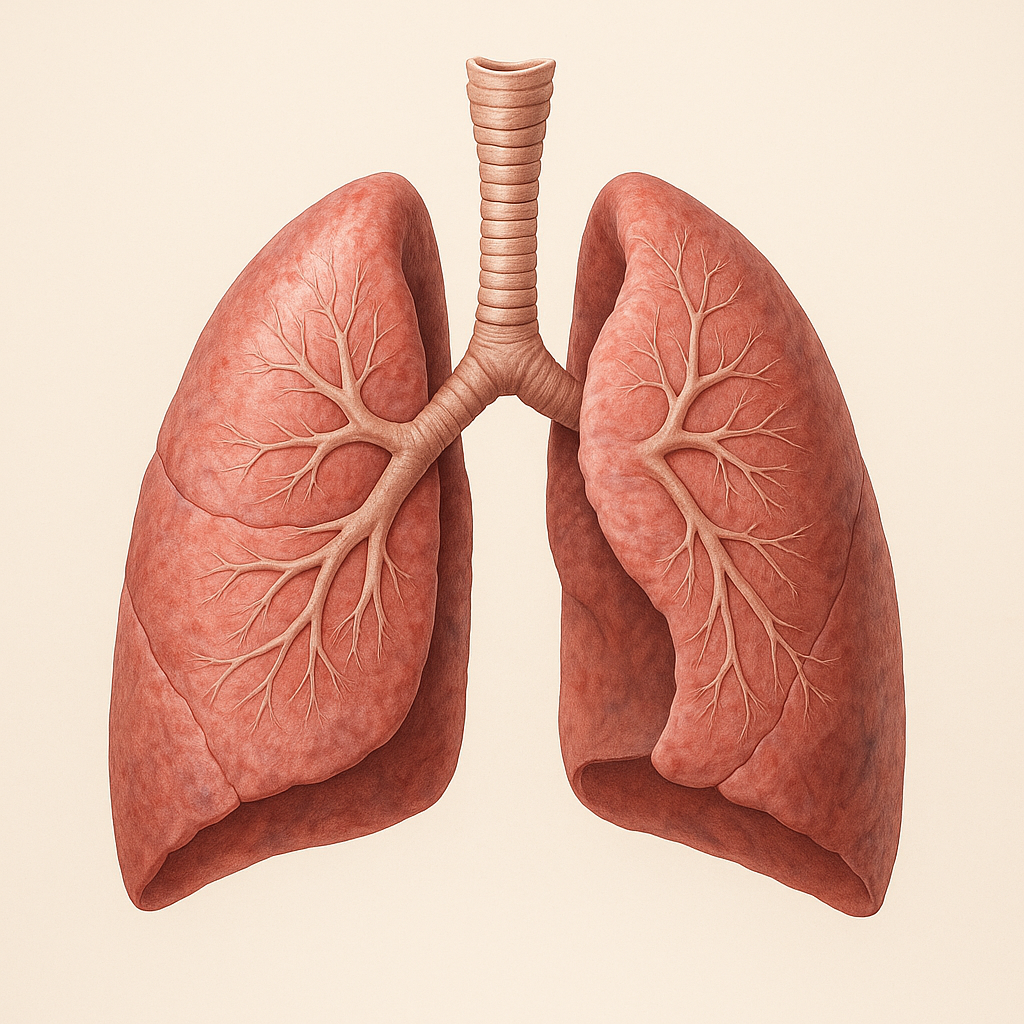
Gas stoves burn natural gas or propane, producing several harmful byproducts even when functioning normally.
Key Indoor Pollutants From Gas Stoves
- Nitrogen dioxide (NO₂)
- Carbon monoxide (CO)
- Ultrafine particulate matter (PM0.1)
- Formaldehyde
- Volatile organic compounds (VOCs)
According to the World Health Organization, indoor NO₂ exposure is strongly associated with airway inflammation and reduced lung function in children (WHO, 2021).
Children’s Lungs Are More Vulnerable Than Adults
Children are not just “small adults.” Their respiratory systems differ in ways that increase susceptibility to indoor pollutants.
Biological Reasons
- Lungs are still growing through adolescence
- Higher breathing rates per body weight
- Narrower airways that inflame more easily
- Immature immune responses
NIH-supported research shows that early-life exposure to NO₂ can permanently alter lung development, increasing the risk of asthma and reduced lung capacity later in life (NIH, 2022).
Winter creates a perfect storm for indoor air pollution.
1. Reduced Ventilation
Cold weather leads to:
- Closed windows
- Sealed building envelopes
- Minimal air exchange
In many U.S. apartment buildings—especially older or low-income housing—kitchens lack functional exhaust hoods that vent outdoors.
2. Increased Stove Use
Winter cooking patterns change:
- More home-cooked meals
- Longer cooking times
- Use of stoves for supplemental heating (still common in some apartments)
CDC data shows that indoor NO₂ levels during winter cooking can exceed outdoor air quality standards within minutes (CDC, 2023).
Lung Inflammation in Children
Nitrogen Dioxide and Airway Injury
NO₂ is a potent respiratory irritant. In children, it:
- Damages airway epithelial cells
- Increases mucus production
- Reduces lung defense against infections
Multiple U.S. studies link indoor NO₂ exposure from gas stoves to:
- Increased wheezing
- Chronic cough
- Asthma exacerbations
Ultrafine Particles and Deep Lung Penetration
Ultrafine particles produced during gas combustion:
- Reach deep alveoli
- Cross into the bloodstream
- Trigger systemic inflammation
These particles are not captured by standard air quality monitors, making exposure invisible but biologically active.
- Children in homes with gas stoves have 20–42% higher risk of asthma symptoms
- An estimated 12–13% of childhood asthma in the U.S. is attributable to gas stove exposure
- Apartment-dwelling children are at higher risk than those in detached homes
A landmark U.S. modeling study estimated that over 650,000 cases of childhood asthma may be linked to gas stove emissions nationwide.
Apartments amplify exposure due to:
- Smaller living spaces
- Shared ventilation systems
- Proximity of bedrooms to kitchens
- Limited ability to modify appliances
Children in urban apartments often experience higher cumulative indoor exposure than children in suburban single-family homes.
Socioeconomic Factors
Low-income families are disproportionately affected because:
- Older appliances are more common
- Poor ventilation systems persist
- Limited ability to switch to electric stoves
This makes indoor air pollution from gas stoves an environmental justice issue.
Common but Overlooked Signs
- Night-time coughing in winter
- Recurrent bronchitis
- Wheezing during cooking
- Shortness of breath without infection
- Frequent school absences due to colds
Pediatricians increasingly recognize indoor air pollution as a hidden contributor to these patterns.
Polluted air weakens airway defenses, making children more susceptible to:
- RSV
- Influenza
- COVID-19 complications
NO₂ exposure reduces ciliary function in airways, impairing mucus clearance.
Actions To be taken
Immediate Actions
- Always use exhaust fans while cooking
- Open windows briefly during and after cooking (even in winter)
- Keep children out of the kitchen during cooking
Medium-Term Solutions
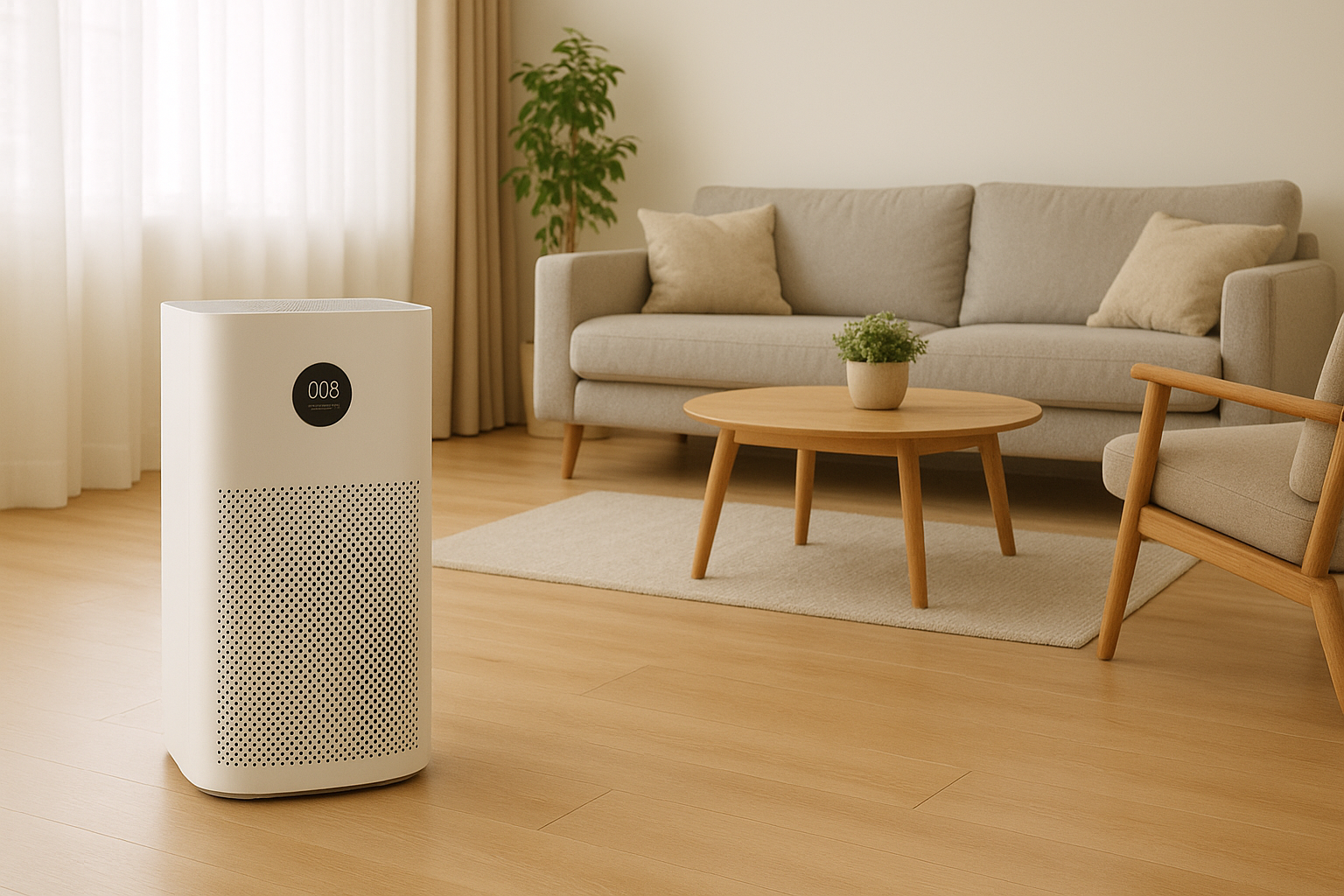
- Use HEPA air purifiers near kitchens and bedrooms
- Install NO₂ monitors
- Maintain gas appliances regularly
Long-Term Strategies
- Transition to electric or induction stoves when possible
- Advocate for building-level ventilation improvements
FAQ’s:
Q. Can a range hood really make a difference?
Yes—if it vents outdoors. Recirculating hoods provide minimal protection.
Q. Is gas cooking worse than smoking indoors?
While different, studies show NO₂ peaks during cooking can rival pollution levels seen near highways.
Q. Are children with asthma more affected?
Yes. Gas stove pollution significantly increases asthma attacks and medication use.
Q. Do air purifiers help?
They reduce particulate matter but do not remove NO₂, so ventilation remains essential.
Conclusion:
Indoor air pollution from gas stoves represents a modifiable but underrecognized threat to children’s lung health in U.S. apartments—especially during winter. While structural solutions require policy and infrastructure change, awareness and targeted household actions can meaningfully reduce exposure. Protecting children’s lungs begins not outdoors, but in the air they breathe at home.
This article is for informational purpose only and does not substitute for professional medical advise. For proper diagnosis and treatment seek the help of your healthcare provider.
References:
- Centers for Disease Control and Prevention. (2023). Indoor
air quality and health.
- World Health Organization. (2021). WHO global air
quality guidelines.
- National Institutes of Health. (2022). Early-life
air pollution exposure and lung development.
- Gruenwald, T., et al. (2022). Gas stoves and childhood
asthma. International Journal of Environmental Research and Public
Health.
- Clark, N. A., et al. (2010). Indoor NO₂ and asthma
symptoms. Environmental Health Perspectives.
- Lin, W., et al. (2013). Indoor combustion and
respiratory health. Pediatrics.
- U.S. Environmental Protection Agency. (2022). Indoor
air pollution sources.
- McCormack, M. C., et al. (2009). Cooking appliances and
asthma. Journal of Allergy and Clinical Immunology.
- Belanger, K., et al. (2013). Household NO₂ exposure and
lung function. Environmental Research.
- Hansel, N. N., et al. (2008). Airway inflammation and
NO₂. American Journal of Respiratory and Critical Care Medicine.
- Hecht, S. S. (2012). Indoor pollutants and oxidative
stress. Chemical Research in Toxicology.
- Patel, M. M., et al. (2019). Housing conditions and
asthma morbidity. Journal of Urban Health.
- Milner, J., et al. (2015). Indoor air quality and
ventilation. Environmental Health.
- Pope, C. A., et al. (2015). Fine particles and lung
health. NEJM.
- Rice, M. B., et al. (2021). Long-term air pollution
exposure and lung function. JAMA.
- Schraufnagel, D. E., et al. (2019). Health effects of
air pollution. Chest.
- Thurston, G. D., et al. (2017). Air pollution and
respiratory disease. The Lancet.
- Perera, F. (2017). Pollution and child health. The
Lancet Planetary Health.
- Dockery, D. W., et al. (1993). Air pollution and lung
development. NEJM.
- Mendell, M. J., et al. (2011). Indoor environments and respiratory health. Indoor Air.