
Why Are Skin Rashes and Unexplained Itching More Common in Americans Exposed to Environmental Toxins?
Dr JK Avhad MBBS MD [Last updated 30.12.2025]
If you’ve ever noticed that your skin flares up on days when the air quality is poor, after a pesticide spray event, or living near a busy industrial area, you’re not alone. Many Americans living in environments with chemical exposures or persistent pollution report skin problems ranging from mild itching and redness to persistent dermatitis that doesn’t respond well to routine creams.
While skin issues certainly have many causes—from allergies and eczema to dry air and stress—environmental toxins can play a real and measurable role in triggering or worsening skin symptoms.
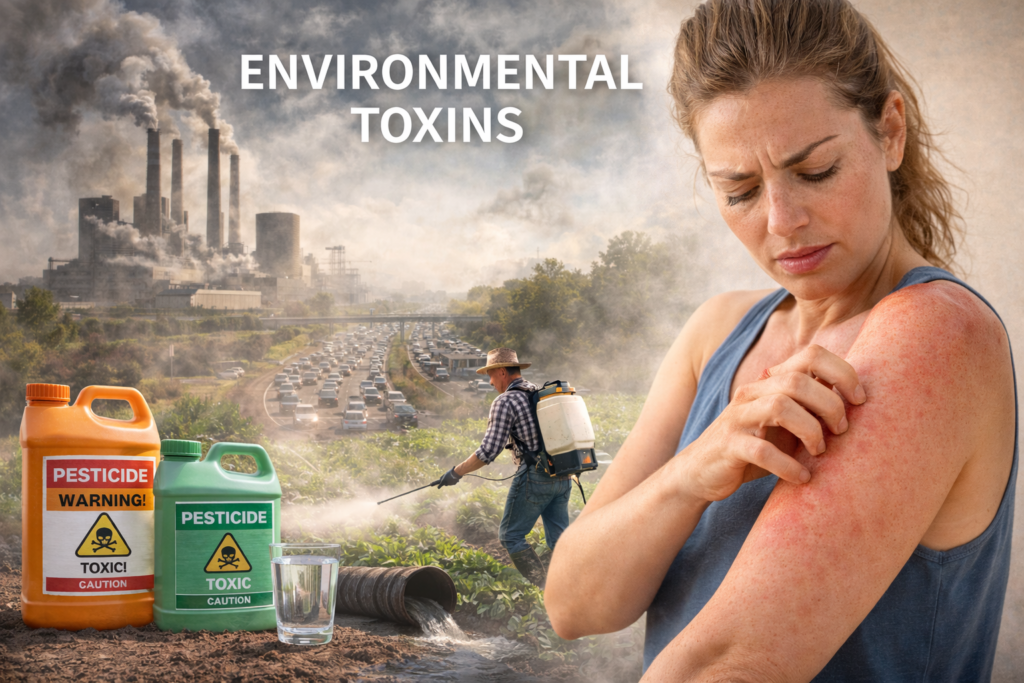
Skin rashes, unexplained itching, hives, and dermatitis are increasingly reported by Americans exposed to environmental toxins—including air pollution, chemical runoff, industrial emissions, pesticides, heavy metals, and indoor contaminants.
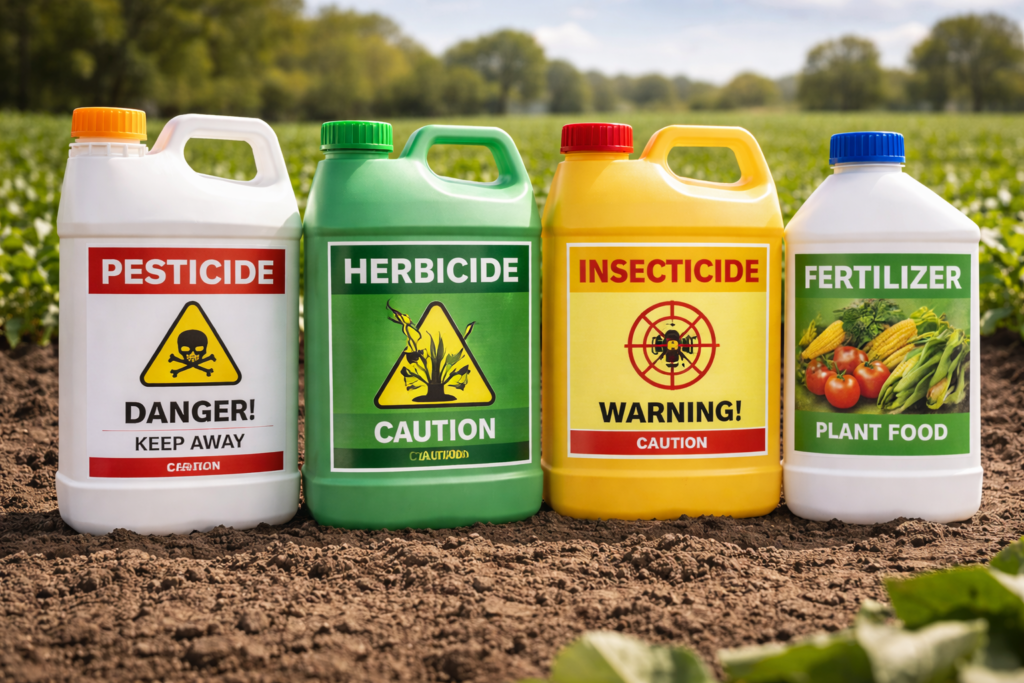
Environmental toxin exposure
Americans can encounter environmental toxins through a variety of pathways:
- Air pollution (fine particulate matter, nitrogen dioxide, ground-level ozone) in urban traffic zones or industrial corridors
- Pesticide drift in agricultural regions
- Chemical runoff into soil and water systems
- Heavy metals in soil or drinking water (e.g., lead, arsenic)
- Indoor contaminants such as volatile organic compounds (VOCs) from paints, cleaners, and building materials
- Industrial emissions and waste exposures near factories or refineries
Many skin reactions occur in communities located near heavy industry, traffic corridors, or agricultural zones with pesticide use, a pattern sometimes described as environmental toxin skin irritation in Americans.
The skin is your body’s largest organ and first line of defense. It protects against microbes, regulates temperature, and blocks many external chemicals. Key protective features include:
- The stratum corneum — the outermost layer that acts as a physical barrier
- Sebum and lipids — help retain moisture and block irritants
- Immune cells in the dermis — detect and respond to threats
Toxins challenge this system in two major ways:
- Direct irritation: Strong chemicals can disrupt the skin barrier, triggering itch and inflammation.
- Immune sensitization: Some chemicals interact with skin proteins in a way that makes the immune system recognize them as threats—leading to allergic reactions or chronic dermatitis.
The U.S. CDC recognizes that contact dermatitis is a common environmental dermatosis and often related to exposures like chemicals or pollution, especially where protective measures are inadequate. (cdc.gov)
Air pollutants like PM2.5 (fine particles ≤2.5 microns) are not only a lung and heart concern—they also affect the skin:
- Fine particles can penetrate skin pores, lodge under the surface, and trigger inflammation.
- Pollutants generate oxidative stress, producing free radicals that damage cellular membranes and proteins in the skin.
- Daily exposure to traffic pollution has been linked with accelerated skin aging, eczema flares, and other dermatological complaints.
A landmark review on the effects of particulate air pollution noted that PM2.5 affects skin barrier function and is associated with eczema and other inflammatory skin conditions. (pmc.ncbi.nlm.nih.gov)
Ozone and NO₂
Ground-level ozone (O₃) and nitrogen dioxide (NO₂), both common in urban smog, can oxidize skin surface lipids, leading to dry, itchy, or irritated skin. Studies show higher O₃ days correlate with increased outpatient dermatology visits for eczema and dermatitis. (pubmed.ncbi.nlm.nih.gov)
Pesticides
Contact dermatitis
Pesticides—especially organophosphates, carbamates, and some herbicides—are known skin irritants. They cause dermatitis through direct contact and by altering skin proteins:
- Farmers and agricultural workers have well-documented higher rates of skin irritation and dermatitis.
- Community residents near spray zones may experience pesticide drift, which can lead to environmental toxin rash flare-ups even without direct handling of pesticides.
CDC’s pesticide illness and injury surveillance underscores that dermal exposure is a frequent route for pesticide injury and irritation. (cdc.gov)
Heavy metals
Lead, arsenic, and other metals
Heavy metals such as lead and arsenic can contaminate soil and water systems, especially near industrial sites or older infrastructure. Chronic exposure—even at low levels—can be associated with various dermatologic signs, including:
- Darkening or dryness of the skin
- Persistent itching
- Rashes resembling eczema or dermatitis
The Agency for Toxic Substances and Disease Registry (ATSDR) lists skin manifestations as part of chronic exposure symptomology for several metals including arsenic and lead. (atsdr.cdc.gov)
Indoor air quality in many American homes includes exposures to:
- VOCs from paints, cleaning products, and off-gassing furniture
- Mold and microbial toxins from moisture problems
- Smoke and combustion byproducts from poorly vented stoves or heaters
These can all contribute to itchy skin and rash patterns, often described in holistic dermatology as environmentally aggravated dermatitis.
One significant reason skin irritation becomes chronic is cumulative exposure:
- Repeated low-level contact with irritants weakens the skin barrier
- Ongoing oxidative stress from air pollution compounds daily
- Immune system sensitization increases over weeks to years
U.S. population surveys like NHANES show that many Americans have detectable levels of multiple environmental chemicals in their blood or urine, indicating ubiquitous exposure. (cdc.gov)
Symptoms
- Persistent itching without clear allergen exposure
- Red, dry, scaly patches that worsen on high pollution days
- Rash flare-ups after pesticide application nearby
- Hives or welts appearing and disappearing
- Dermatitis resistant to standard moisturizers
Patients often describe a “burning itch” or “tightness” that doesn’t fit classic allergic patterns but seems tied to environmental conditions and high-exposure environments.
Certain groups face higher risk:
- Children and older adults — skin barrier is thinner/more fragile
- People with pre-existing eczema or atopic conditions
- Residents near industrial plants or heavy traffic corridors
- Agricultural workers and their families
- People with compromised immune systems
WHO notes that children’s developing skin and immune systems make them especially sensitive to environmental pollutants. (who.int)
Many patients notice:
- Itchier skin on high-AQI days
- Daytime reddening after walking near busy highways
- Flare-ups during temperature inversions that trap pollution
EPA’s AirNow and Air Quality Index tools correlate higher pollutant days with respiratory and cardiovascular symptoms—and emerging evidence supports connections to dermatologic conditions as well. (airnow.gov)
Steps to reduce exposure
These steps are practical and low-cost, not extreme:
- Use HEPA filters in bedrooms and living areas
- Close windows on high pollution or pesticide spray days
- Ventilate with fresh air when outdoor pollution is low
- Remove shoes at the door to reduce tracked-in dust and pesticides
Protect your skin
- Use mild, fragrance-free cleansers to reduce irritation
- Apply barrier creams or moisturizers after washing
- Consider protective clothing when outdoors in polluted environments
- Rinse off pollutant particles after returning from high-exposure areas
Dermatologists emphasize that maintaining skin barrier health is key to mitigating irritation. (aad.org)
When to consult a clinician
Seek medical evaluation if you have:
- Blistering rashes
- Signs of infection (pus, warmth, fever)
- Rash spreading rapidly
- Pain, oozing, or significant swelling
These may indicate a secondary infection or a different dermatologic condition requiring treatment.
FAQs
1) Does air pollution really affect skin, or is it just lungs?
Yes—pollution affects not only lungs but also skin. Fine particles (PM2.5) and ozone can impair the skin barrier, trigger oxidative stress, and lead to inflammation and itching. (pmc.ncbi.nlm.nih.gov)
2) Why do my symptoms flare on high pollution days?
Pollutants like ozone and nitrogen dioxide oxidize skin surface lipids, disrupting barrier function and increasing itch and redness. (pubmed.ncbi.nlm.nih.gov)
3) Are pesticides causing my rash if I live miles from farms?
Drift and dust transport mean pesticide particles can travel miles, especially in windy conditions. Being environmentally exposed does not always require direct contact.
4) Why are children more affected?
Children’s skin is thinner and their bodies absorb chemicals more easily. WHO identifies children as a sensitive group for pollutant health impacts. (who.int)
5) Can indoor products cause similar symptoms?
Yes—VOCs and indoor chemicals (cleaners, paints) can also irritate skin, especially in poorly ventilated spaces.
6) Is this permanent?
Many environmental exposures cause reversible effects once exposures are reduced and skin is protected.
7) When should I see a dermatologist?
Persistent rashes unresponsive to standard treatments, or symptoms accompanied by infection signs, require dermatology evaluation.
8) Does climate change make skin irritation worse?
Warmer temperatures increase ozone formation and may prolong periods of poor air quality. Climate-linked heat stress also affects skin barrier function.
This article is for informational purpose only and does not substitute for professional medical advise. For proper diagnosis and treatment seek the help of your healthcare provider.
References:
- Agency for Toxic Substances and Disease Registry. (n.d.). ATSDR toxicological profiles. CDC. Retrieved from https://www.atsdr.cdc.gov/
- Centers for Disease Control and Prevention. (2024). Dermatitis and skin conditions. CDC/NIOSH. Retrieved from https://www.cdc.gov/niosh/topics/dermatitis/default.html?utm_source=chatgpt.com
- Centers for Disease Control and Prevention. (2025). NHANES surveys. CDC. Retrieved from https://www.cdc.gov/nchs/nhanes/index.htm?utm_source=chatgpt.com
- Environmental Protection Agency. (2025). AirNow and AQI. EPA. Retrieved from https://www.airnow.gov/?utm_source=chatgpt.com
- Environmental Protection Agency. (2025). Human health issues related to pesticides. EPA. Retrieved from https://www.epa.gov/pesticide-science-and-assessing-pesticide-risks/human-health-issues-related-pesticides?utm_source=chatgpt.com
- World Health Organization. (2013). State of the science of endocrine disrupting chemicals. WHO. Retrieved from https://iris.who.int/bitstream/handle/10665/78102/WHO_HSE_PHE_IHE_2013.1_eng.pdf?utm_source=chatgpt.com
- World Health Organization. (n.d.). Ambient (outdoor) air quality and health. WHO. Retrieved from https://www.who.int/news-room/fact-sheets/detail/ambient_(outdoor)_air_quality_and_health?utm_source=chatgpt.com
- Gill, T. K., et al. (2023). Global burden of musculoskeletal conditions. The Lancet Rheumatology.
- Liu, W., et al. (2015). Air pollution and skin aging. Journal of Investigative Dermatology.
- Silverberg, J. I., et al. (2016). Association of air pollution with dermatitis. JAMA Dermatology.
- Vierk, K. A., & Baker, E. (2015). Air pollution and eczema symptom visits. Environmental Health Perspectives.
- Hall, P. A., et al. (2018). Air pollution and oxidative stress in skin. Free Radical Biology & Medicine.
- Li, J., et al. (2019). Dermatologic effects of ozone. Journal of Dermatological Science.
- Leung, D. Y., & Bieber, T. (2003). Atopic dermatitis. Lancet.
- Nixon, R. M., et al. (2022). Pesticide exposure and dermatitis. Journal of Occupational and Environmental Medicine.
- Riederer, A. M., et al. (2008). NHANES pesticide metabolites. Environmental Health Perspectives.
- Schäfer, T., et al. (1996). Contact dermatitis prevalence. Journal of Investigative Dermatology.
- Kim, K. E., & Cho, D. (2015). Air pollution and skin diseases review. Annals of Dermatology.
- Elmets, C. A., et al. (2019). Global burden of UV radiation and skin disease. Journal of the American Academy of Dermatology.
- Hajat, A., et al. (2015). Air pollution effects beyond lungs (systemic). Environmental Health.
- Environmental Working Group. (2025). EWG Skin Deep database. Retrieved from https://www.ewg.org/skindeep/