
Traffic pollution near highways affects heart health among older Americans
Dr JK Avhad MBBS MD [ Last updated 12.12.2025 ]
Older Americans who have spent a lifetime working, raising families, and contributing to their communities often dream of a quiet retirement. Yet for millions of seniors living near busy highways, every passing truck and tailpipe may quietly strain their hearts. Here I will discuss about, what makes highway air pollution different, how fine particles (PM2.5), nitrogen dioxide, and traffic noise damage arteries, raise blood pressure, and trigger heart attacks and strokes in vulnerable seniors, what the research shows about living within 100–300 meters of major roads, why older adults with diabetes, high blood pressure, or prior heart disease face greater risk, and how simple steps—using air purifiers, checking the Air Quality Index, adjusting walking routes, sealing windows, and working with your doctor—can help.
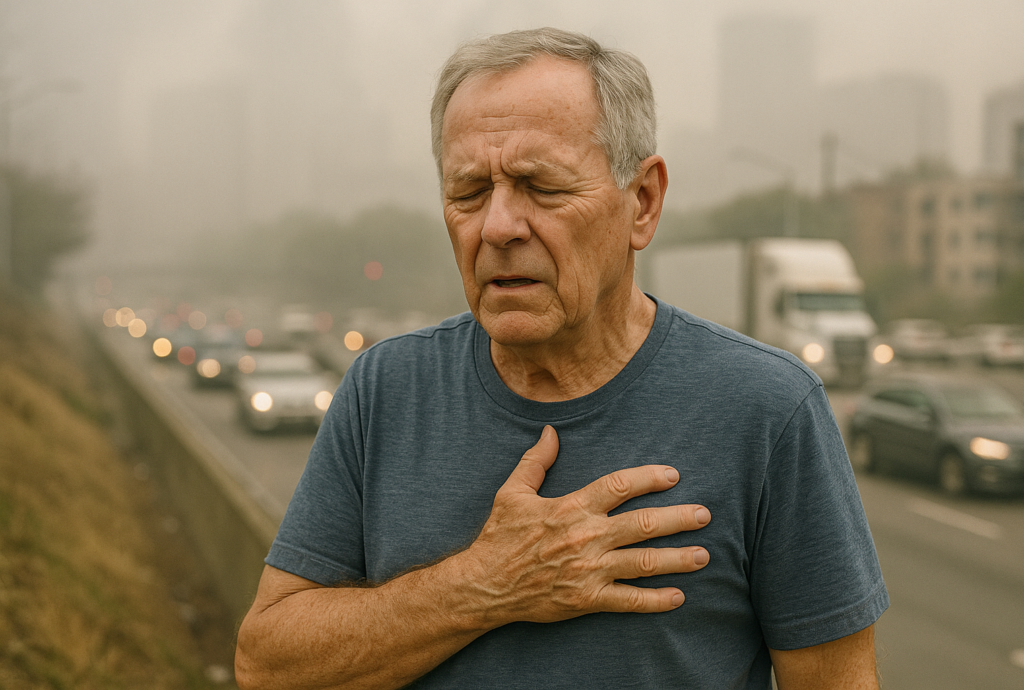
Imagining, a home near a highway can seem convenient: quicker access to the city, lower housing costs, maybe even a nicer view than a dense downtown block. But for many older Americans, that convenience comes with a hidden cost: constant exposure to traffic-related air pollution and noise that quietly wear down the heart and blood vessels over time.
Public health agencies now consider air pollution an independent risk factor for heart disease, not just a lung problem. Fine particulate matter (PM2.5), nitrogen dioxide (NO₂), and other pollutants linked to traffic are responsible for a large share of heart attacks, strokes, and heart failure worldwide. WHO estimates that in 2019, about 68% of outdoor air-pollution–related premature deaths were due to ischemic heart disease and stroke (World Health Organization+1).
For seniors already juggling high blood pressure, diabetes, or coronary artery disease, living near a major roadway can be like adding fuel to a slow-burning fire.
What makes highway traffic pollution different from regular city air?
Not all air pollution is the same. The mixture near a highway—often called traffic-related air pollution (TRAP)—is particularly harmful to the cardiovascular system. It includes:
- Fine and ultrafine particles (PM2.5 and smaller): These tiny particles from diesel exhaust, tire and brake wear, and resuspended road dust can penetrate deep into the lungs and enter the bloodstream (PMC+1).
- Nitrogen dioxide (NO₂): A gas produced by vehicle engines that irritates airways and is strongly associated with heart and lung disease
- Black carbon and elemental carbon: Soot-like particles strongly linked with diesel traffic.
- Ozone (especially in warm weather): Formed when sunlight reacts with tailpipe gases.
People often ask me about, highway traffic pollution and heart disease risk in seniors” or “is it safe for elderly to live next to a freeway.
How living near a busy road exposes older adults to invisible heart risks
If you stand on a front porch 50 yards from an interstate, you can see the cars and hear the rumble of trucks. What you can’t see are the microscopic particles and gases that seep into homes: through open windows, tiny gaps in doors, and even attached garages.
Studies show that:
- People living closer to high-traffic roads have higher rates of coronary heart disease, stroke, and cardiovascular death than those living farther away, even after adjusting for income and other risk factors.
- Long-term exposure to traffic-related PM2.5 is associated with increased heart disease morbidity and mortality, including more heart attacks and hospitalizations.
For many older Americans, especially those on fixed incomes, neighborhoods along highways may be the only affordable option. That means seniors with Medicare cards and pill boxes are often the ones breathing the worst air every single day.
And because most people spend around 90% of their time indoors, the pollution that infiltrates their homes—bedrooms, living rooms, and kitchens—matters just as much as what’s measured at roadside monitors.
Why older Americans are especially vulnerable to traffic-related pollution
The same level of traffic pollution does not affect everyone equally. Older adults are high on the list of vulnerable groups, along with children and people with existing heart or lung disease.
Several reasons explain why highway traffic pollution is more harmful for seniors:
Pre-existing disease
Many older adults already have high blood pressure, coronary artery disease, atrial fibrillation, heart failure, diabetes, or COPD. These conditions make the heart and blood vessels less able to tolerate extra stress from pollution. Medicare-based studies show that even pollution levels below current U.S. standards can raise the risk of hospitalization and death in older adults with heart failure (PubMed+1).
Aging blood vessels
Aging naturally stiffens arteries and impairs the body’s ability to repair damaged vessel walls. Research shows that older adults experience larger increases in cardiovascular mortality for each rise in PM2.5 than younger adults.
Reduced physiological reserve
A 75-year-old with mild heart failure may manage fine on a good-air-quality day, but during a week of elevated highway pollution, their heart may not compensate as well. That’s when chest pain, shortness of breath, or fluid buildup can tip into an ER visit.
Time spent at home
Retirees often spend more hours near home, so a senior living 150 meters from a freeway may have far more cumulative exposure than a younger commuter who works in a cleaner office environment during the day.
How traffic pollution damages the heart and blood vessels
Research has moved beyond “we think pollution is bad” to detailed explanations of how traffic-related air pollution harms the cardiovascular system. Reviews in major cardiology journals outline several overlapping mechanisms:
Systemic inflammation and oxidative stress
Inhaled fine particles trigger inflammation in the lungs that spills into the bloodstream. This inflammation and oxidative stress damage the inner lining of blood vessels (the endothelium), promoting plaque buildup and making plaques more likely to rupture—exactly what causes many heart attacks and strokes.
Blood clotting and viscosity
Short-term pollution spikes can increase blood thickness, raise certain clotting factors, and make platelets stickier. That combination increases the risk of acute events like myocardial infarction and ischemic stroke (PMC+1).
Autonomic nervous system imbalance
Pollutants, particularly ultrafine particles from diesel exhaust, can disturb heart rhythm by altering the balance between sympathetic and parasympathetic nervous system activity. This may contribute to arrhythmias and sudden cardiac events in susceptible patients.
Worsening hypertension and heart failure
Exposure to PM2.5 and NO₂ is linked with higher blood pressure and more heart failure hospitalizations. Even small increases—such as a 3 mm Hg drop in systolic blood pressure when a HEPA air purifier is used in homes near busy roads—can significantly change population-level stroke and heart attack rates.
Noise and sleep disruption
Highways don’t only emit exhaust—they generate constant traffic noise. Research suggests that road and traffic noise independently increase the risk of stroke and heart failure, especially in older adults, likely by causing chronic stress and disrupted sleep.
In short, TRAP doesn’t just “irritate” the lungs. It alters blood vessels, blood chemistry, heart rhythm, and blood pressure—precisely the systems older hearts rely on to stay stable.
What does the research say about highways, heart attacks, and stroke risk?
Researchers have been asking a version of the question “what is the safe distance to live from a highway for seniors heart health?” for years. While there is no strict cut-off line, patterns keep appearing:
- Living closer to major roads is associated with higher prevalence of heart disease and stroke in multiple countries, including high-income nations with relatively good overall air quality.
- In some cohorts, cardiovascular mortality was significantly higher among residents exposed to higher levels of traffic pollution, even after adjusting for smoking, socioeconomic status, and traditional risk factors.
- Newer studies in older adults highlight that multiple co-existing exposures—polluted air, road traffic noise, heat, and limited green space—cluster near major roads and interact to elevate cardiovascular risk (Nature+1).
While exact numbers vary by city and study design, the direction of evidence is consistent: for older Americans, living very close to high-traffic highways is associated with higher heart attack, stroke, and heart-failure risk compared with similar people living farther away.
Living near a highway does not doom someone to heart disease. Lifestyle still matters greatly. But for a 72-year-old with diabetes and high blood pressure, minimizing traffic pollution exposure can be as important as tweaking a cholesterol medication.
How traffic pollution near highways affects senior’s day-to-day life
For many older adults, the impact of near-roadway pollution shows up not as a headline in a medical journal, but in small daily changes:
- Needing to stop and catch breath after walking to the mailbox on a hazy afternoon.
- More frequent angina or chest discomfort on days when the local Air Quality Index (AQI) is “unhealthy for sensitive groups.”
- Worsening leg swelling and fatigue in those with heart failure after a run of hot, polluted days.
Cleveland Clinic notes that poor air quality can worsen symptoms and is linked to higher risk of heart attacks, irregular heartbeats, and strokes—even in people who otherwise feel “stable.”
People often ask us, what daily precautions should seniors with heart disease take on poor air quality days near highways?
What practical steps can older Americans take if they live near a highway?
Not everyone can pick up and move away from a freeway, especially retirees tied to a mortgage, rental contract, or long-time neighborhood. But there are effective steps older adults and caregivers can take to lower risk.
Use the Air Quality Index as a daily heart-health tool
The CDC and EPA encourage older adults and heart-disease patients to check local AQI forecasts, just like they check the weather.
- On green or yellow days, normal outdoor activities are generally fine.
- On orange (“unhealthy for sensitive groups”) or worse, older adults with heart disease should:
- Limit time near busy roads or outdoor chores along the street.
- Move exercise indoors (e.g., walking in a mall, light indoor cycling).
- Always keep rescue medications (like nitroglycerin or inhalers) handy.
Checking AQI and adjusting plans is an easy answer to how can seniors protect their hearts on high-pollution days near highways? (https://www.airnow.gov).
Improve indoor air quality in highway-adjacent homes
Because so much time is spent indoors, cleaning the air inside the home can meaningfully reduce exposure for seniors in near-highway neighborhoods:
- HEPA air purifiers in the bedroom and main living area can lower indoor PM2.5 and have been shown to reduce systolic blood pressure in people living near major roads.
- Seal gaps and cracks around windows and doors to reduce infiltration.
- Use high-efficiency filters (MERV 11–13 or as high as the HVAC system allows) in central air systems and change them regularly.
- Keep windows closed during high-traffic rush hours or when the AQI is poor, especially in the morning and evening commute times.
Adjust walking routes and activity timing
Older adults are often advised (correctly) by Mayo Clinic and others to walk daily for heart health (Mayo Clinic) The goal is to keep the exercise, but lower the exposure:
- Choose parks, side streets, or indoor malls over sidewalks directly next to multi-lane roads.
- Walk during lower-traffic times (mid-morning or early afternoon) instead of rush hour.
- Avoid heavy exertion (fast uphill walking) right beside highways when air quality is poor.
This is how to balance walking for heart health with traffic pollution risks for older adults.
Talk with your doctor about air-pollution risks
The NIH and major cardiology societies now recognize air pollution as a modifiable cardiovascular risk factor, especially in older adults with existing heart disease.
During regular visits, seniors living near highways can ask us:
- Based on my heart history, what should I do on bad air days?
- Should my blood pressure or heart-failure plan change given that I live close to a freeway?
- Which symptoms—shortness of breath, chest pain, palpitations—mean I need to call 911 rather than wait?
Integrating air-quality awareness into medication, diet, and exercise plans turns an abstract environmental issue into a concrete part of preventive cardiology.
How communities and policymakers can reduce near-roadway heart risks
Individual actions matter, but the biggest gains come from policy and urban-planning decisions. Epidemiologic data clearly show that reducing PM2.5 and NO₂ levels is followed by drops in heart disease deaths and hospitalizations (PMC+1).
For older Americans, helpful community-level actions include:
- Stronger vehicle emissions standards and rapid transition to cleaner fleets and public transport.
- Green buffers (trees and vegetation barriers) between highways and homes, schools, and nursing facilities to help disperse and capture particles.
- Zoning regulations that discourage new senior housing, assisted-living centers, or long-term care facilities from being placed right next to highways.
- Noise-barrier walls and speed management to reduce chronic traffic noise exposure.
Answer to the question why should urban planners keep senior housing away from major highways for better cardiovascular health? lie right here: decades of data linking near-roadway air pollution with heart disease risk.
Which heart symptoms in older adults near highways should never be ignored?
Whether a person lives in a rural town or 50 feet from an interstate, certain symptoms in older adults demand immediate attention. The Cleveland Clinic, Mayo Clinic, CDC, and American Heart Association all stress the importance of early recognition of heart attack and stroke warning signs.
Call 911 or emergency services right away if an older adult—especially one with heart disease who lives near a heavily trafficked road—has:
- New or worsening chest pain, pressure, or tightness, especially if it spreads to the arm, jaw, neck, or back.
- Shortness of breath at rest or with minimal activity.
- Sudden weakness, numbness, or trouble speaking (possible stroke).
- Rapid, irregular heartbeat, fainting, or feeling like they might pass out.
- New leg swelling, sudden weight gain, or difficulty lying flat due to shortness of breath (possible heart failure flare).
Pollution doesn’t always cause these events on its own, but on high-pollution days it can be the final tipping factor in a vulnerable senior.
Common questions about highway traffic pollution and older hearts
How far should older adults live from a highway for better heart health?
There is no magic distance, but many studies define “near-roadway” as within 50–300 meters (about 160–1,000 feet) of a major road. Within this zone, average levels of traffic-related pollutants are higher, and epidemiologic data suggest increased heart and stroke risk compared with people living farther away.
If a move is possible, choosing housing farther from major highways and large intersections, and closer to parks or tree-lined streets, is generally better for cardiovascular health—especially for older adults with existing heart disease.
Why does my 70-year-old father feel worse on “bad air” days if he has heart disease?
When the AQI turns orange or red, fine particles and gases in the air are higher. For a 70-year-old with coronary artery disease or heart failure, this can mean:
- More inflammation and stress on arteries, worsening chest pain or shortness of breath.
- Higher blood pressure and heart workload.
- Worsening fluid retention in heart failure.
CDC, WHO, and Cleveland Clinic all note that people with heart disease often experience more symptoms on poor air-quality days and may have increased risk of heart attacks or arrhythmias.
On high-pollution days, it’s safer for him to stay indoors with windows closed, use an air purifier, avoid heavy exertion outdoors, and follow his doctor’s plan for adjusting medications if needed.
What are the best ways for seniors near highways to reduce indoor pollution?
For older adults living near freeways, practical indoor steps include:
- Using HEPA air purifiers in the bedroom and main living space.
- Keeping windows closed during rush hours and on bad AQI days.
- Sealing window and door gaps and using high-efficiency HVAC filters (as the system allows).
- Avoiding indoor smoking and limiting other indoor pollution sources (e.g., unvented gas stoves).
Research has shown that air purifiers can modestly lower blood pressure and improve markers of cardiovascular risk in people living near major roads—small changes that add up over years in high-risk seniors.
How does traffic pollution interact with other heart risk factors like diabetes or high blood pressure?
Traffic-related air pollution doesn’t replace traditional risk factors—it stacks on top of them. For older adults with hypertension, diabetes, high cholesterol, or prior stroke, exposure to PM2.5 and NO₂ increases the odds of new cardiovascular events more than it does for healthier peers.
That is why NIH-supported studies and major reviews emphasize that the elderly and those with existing cardiovascular disease face the highest pollution-related risks. Managing blood pressure, blood sugar, and cholesterol plus reducing pollution exposure offers the best combination for protecting the heart.
What can caregivers do when an older relative lives next to a freeway?
Caregivers can:
- Check the AQI each morning and adjust outdoor plans.
- Help set up air purifiers and better HVAC filters.
- Encourage indoor or low-traffic walking routes for daily exercise.
- Keep an eye on symptoms (chest pain, shortness of breath, swelling, confusion) and help relatives know when to seek urgent care.
- Advocate with local officials for tree planting, better traffic control, and noise barriers in senior-heavy neighborhoods.
This is how caregivers can protect elderly family members from highway traffic pollution and heart disease.
What should I ask my cardiologist if I live near a major highway?
You might bring a list like this to your next visit:
- “I live about ___ feet from a freeway. How does that affect my heart-disease risk?”
- “Should I treat bad air-quality days the way I treat heatwaves—by limiting activity?”
- “Would using an air purifier or changing my exercise routine make sense in my case?”
- “Which warning signs (chest pain, shortness of breath, palpitations) require immediate ER care?”
Most cardiologists are aware of the growing evidence linking air pollution and heart disease, and they can personalize advice based on your age, medications, and test results.
Conclusion:
Highways have helped shape the American landscape, but for older adults living next to them, they can also shape the trajectory of heart health. Traffic-related air pollution and noise are now firmly established as contributors to heart disease, heart failure, and stroke, especially in seniors with existing cardiovascular conditions.
But this risk is modifiable. By understanding how pollution works, monitoring local air quality, improving indoor air, adjusting daily habits, and pushing for cleaner transportation and better urban design, families and communities can protect older hearts—even in neighborhoods crisscrossed by concrete and tailpipes.
This article is for informational purpose only and does not substitute for professional medical advise. For proper diagnosis and treatment seek the help of your healthcare provider.
References:
- American Heart Association. (2014, October 14). Homes near highways may up heart disease risks. https://www.heart.org www.heart.org
- Brook, R. D., Rajagopalan, S., Pope, C. A., III, et al. (2010). Particulate matter air pollution and cardiovascular disease: An update to the scientific statement from the American Heart Association. Circulation, 121(21), 2331–2378. AHA Journals+1
- Centers for Disease Control and Prevention. (2024). Air pollutants | Air quality. U.S. Department of Health and Human Services. https://www.cdc.gov/air-quality CDC+1
- Cleveland Clinic. (2023, July 12). What air quality alerts mean for your health. https://health.clevelandclinic.org Cleveland Clinic+1
- De Bont, J., et al. (2022). Ambient air pollution and cardiovascular diseases. Journal of the American Heart Association. PubMed+1
- Environmental Protection Agency. (2014). Near roadway air pollution and health: Frequently asked questions. https://www.epa.gov Environmental Protection Agency+1
- Gan, W. Q., et al. (2010). Long-term exposure to traffic-related air pollution and the risk of coronary heart disease. Environmental Health Perspectives, 118(7), 1012–1018. PMC
- Krittanawong, C., et al. (2023). PM2.5 and cardiovascular health risks. Current Problems in Cardiology, 48(6), 101670. Mayo Clinic+1
- Lee, B. J., Kim, B., & Lee, K. (2014). Air pollution exposure and cardiovascular disease. Toxicological Research, 30(2), 71–75. PMC
- Mayo Clinic. (2023). Heart disease prevention: Strategies to keep your heart healthy. https://www.mayoclinic.org Mayo Clinic+1
- Mentias, A., et al. (2024). Ambient air pollution exposure and adverse outcomes in Medicare beneficiaries with heart failure. Journal of the American College of Cardiology. PubMed+1
- World Health Organization. (2018). Health impacts of ambient air pollution. https://www.who.int World Health Organization+3World Health Organization+3World Health Organization+3
- Xu, J., et al. (2025). Association between residential proximity to major roadways and cardiovascular disease in older adults. Scientific Reports. PMC+1